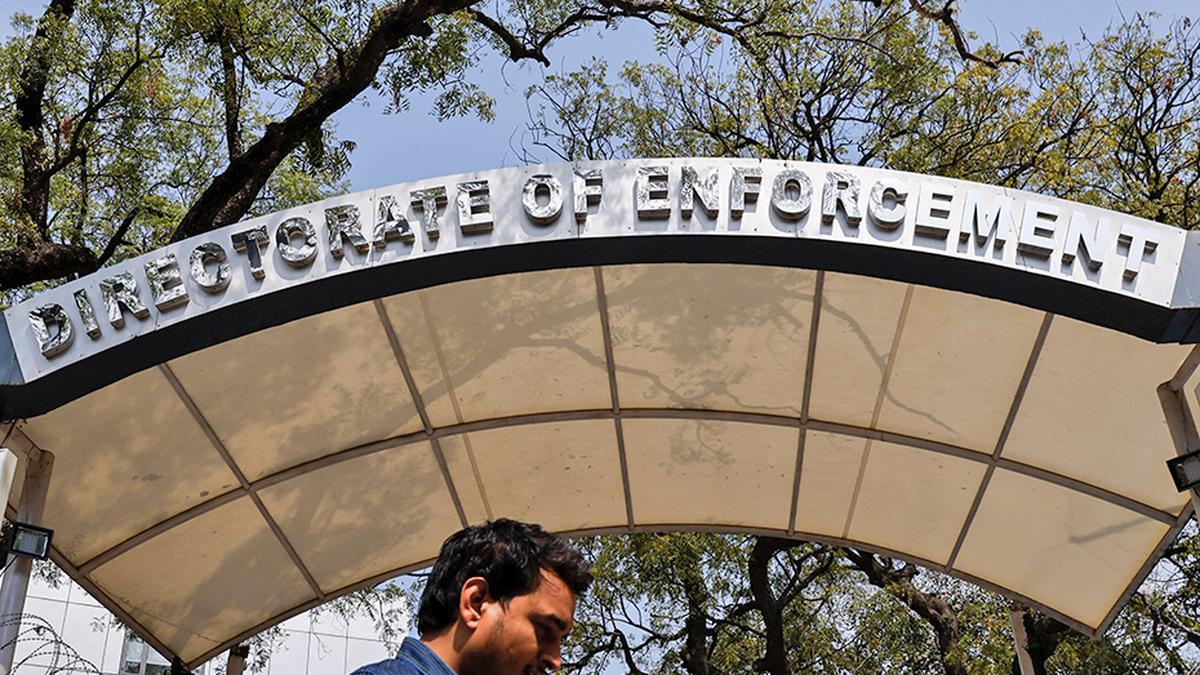
The Enforcement Directorate searched 13 locations across Delhi, Uttar Pradesh, Haryana, West Bengal, and Maharashtra in a case linked to an Uttar Pradesh Anti-Terrorism Squad first information report. The case matters for UPSC because it connects illegal infiltration, forged identity documents, and financial networks in one internal security problem.
According to the official communication, the investigation concerns an alleged syndicate that helped Rohingya and Bangladeshi nationals enter India illegally, arranged forged Indian identity documents, and supported rehabilitation in different parts of the country. The probe also points to a financial network involving charitable trusts registered under the Foreign Contribution (Regulation) Act, 2010 and contributions allegedly received from United Kingdom-based entities.
The communication also notes a seizure of gold coins and ₹40 lakh in cash at Harora Al-Jamiatul Islamia Darul Uloom in Kolkata. The seizure is significant as a possible indicator of suspected proceeds, stored value, or evidentiary material in a broader enforcement case, but the official communication does not provide an adjudicated finding.
Background and earlier position
India already treats illegal migration, forged identity documents, and terror-financing as linked internal security concerns. The current case shows a familiar enforcement pattern: a police or anti-terror first information report can trigger a financial probe when investigators suspect that the movement of people is tied to document fraud and fund flows.
Why the case matters for UPSC
Related current affairs
- ED uncovers crypto trading scam of around $35 million
- Union Home Minister and Minister of Cooperation Shri Amit Shah launches FCRA 2.0 Portal and e-OCI Card
- ED arrests Vikas Garg, chairman of Ebix group, in money laundering case linked to Mahadev betting app
- ED attaches/seizes/frees properties worth about ₹3,800 crore in Mahadev Online betting case; attachment order of ₹940.77 crore
- Police freeze 12 Trinamool accounts with ₹1,000 crore
- Former Nepal premier Sher Bahadur Deuba returns home, faces graft probe