What happened
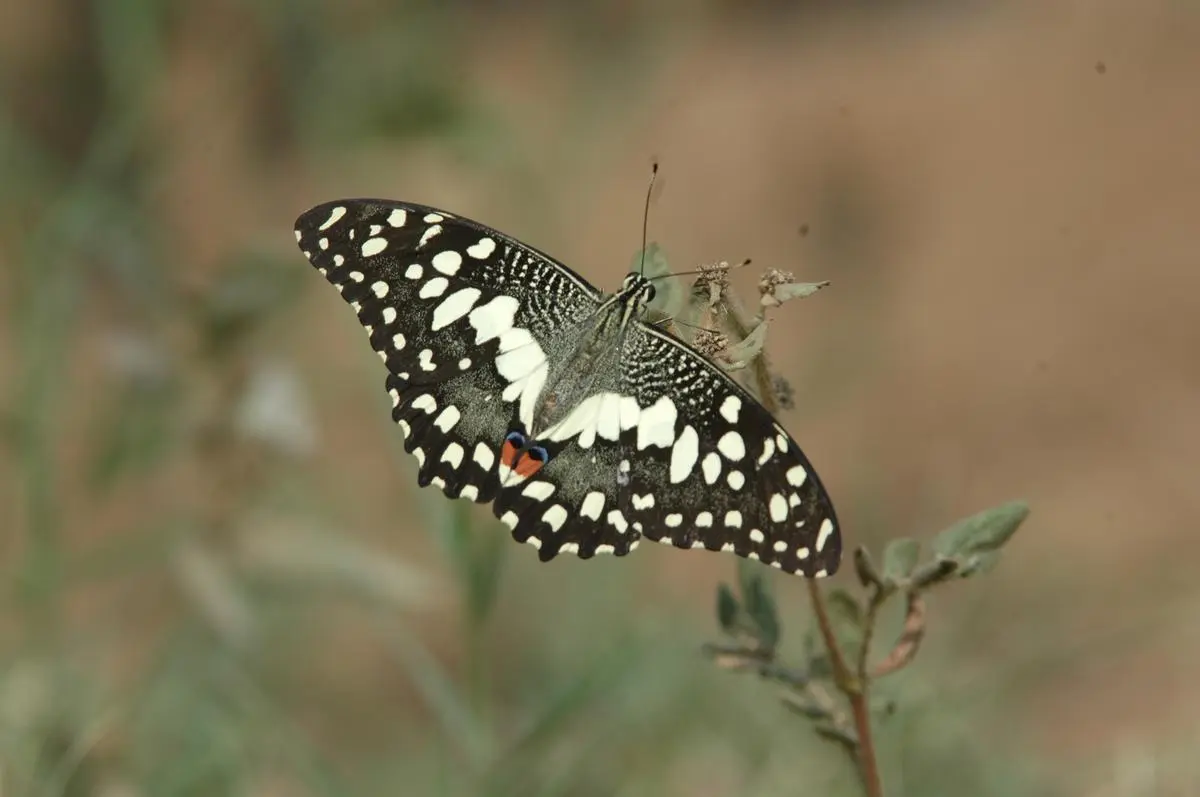
Researchers from Bodoland University studied butterflies and plant resources in Raimona National Park in Assam between 2022 and 2025. They recorded 220 butterfly species, 56 larval host plants and 41 nectar plants in the 422-sq.-km park, which lies in a transboundary landscape with Bhutan.
The study found that some invasive plants often treated as ecological threats were also serving butterfly needs. Lantana camara, Chromolaena odorata and Ziziphus mauritiana were important nectar sources for many species, and several invasive plants also functioned as larval host plants.
What changed now
The study adds an important nuance to invasive-species management in protected areas. Butterfly conservation in Raimona National Park may need a more selective approach than complete removal of every invasive patch, because some invasive shrubs can sustain butterflies when native flowers are scarce.
Why this matters for UPSC
Related current affairs
- India’s rarest heron faces a silent end as new dam ignores its home
- Unwanted guests turn sweet hosts for Assam butterflies
- HC notice to Assam, Nagaland on plea linking illegal mining to floods
- Stone quarries and crushers in the vicinity could cripple Assam’s semiconductor unit
- Photo caption: trees/ecosystem image used in the ‘BIG SHOT’ block
- RHINO HABITAT: SC panel slams Assam govt. for inaction on mining