What happened
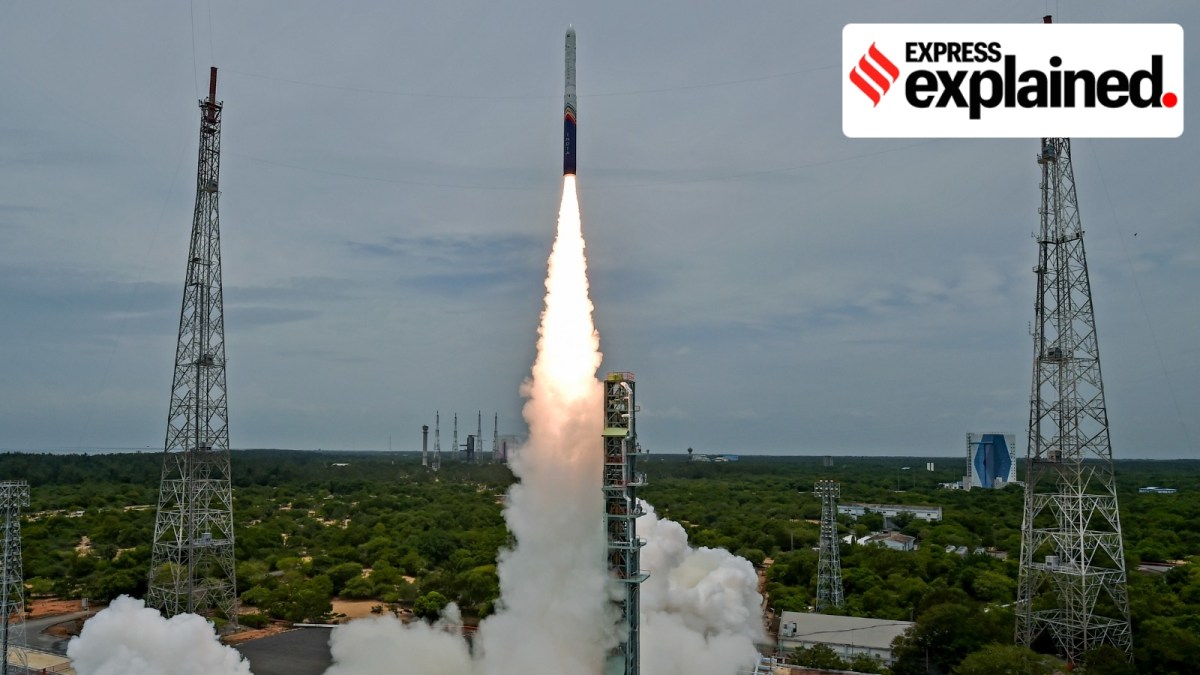
Skyroot Aerospace’s Vikram-1 successfully placed multiple payloads into low Earth orbit, making it India’s first privately developed orbital rocket to do so. The mission was branded Mission Aagam and was described by the company as a grand success.
The launch took place from the Satish Dhawan Space Centre, Sriharikota, at around 12:05 p.m. after a brief delay. The rocket carried technology demonstration payloads, customer payloads, artwork, and a postcard from Prime Minister Narendra Modi.
Background and earlier position
India’s early launch capability was built through public-sector missions such as the Satellite Launch Vehicle-3 (SLV-3), which launched from the same venue in 1980. The Vikram-1 mission shows how India’s launch capability has moved from a state-led model to a more open ecosystem with private participation.
What changed now
Related current affairs
- Vikram-1 launch: India’s first privately developed orbital launch vehicle and validation of space-sector reforms
- Vikram-1 India’s first private orbital rocket mission; PM calls it a defining moment
- Vikram-1 India’s first private orbital rocket mission; says PM
- Prime Minister congratulates Skyroot Aerospace on successful launch of Vikram-1
- THE GIST
- As Vikram-1 reaches orbit, Skyroot faces steep climb to prove commercial viability