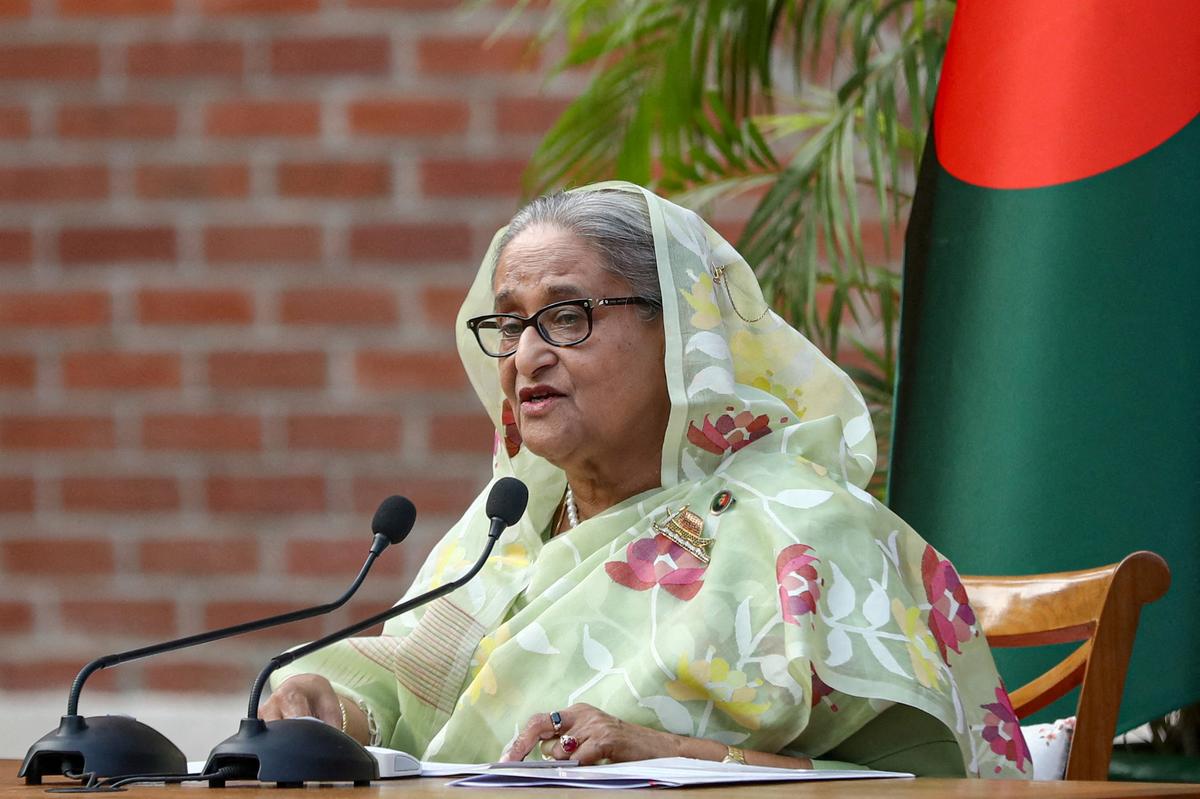
Former Bangladesh Prime Minister Sheikh Hasina has said she plans to return to Bangladesh around December, surrender to the authorities, and appear in court. The statement matters because Hasina is living in exile in India, faces a death sentence in Bangladesh, and her party, the Awami League, has been banned there.
Hasina said the return would be voluntary and would test how the current Bangladesh government treats its most prominent political opponent. She also said she expects the authorities may arrest her or even kill her, but she wants to return to her own soil, where her parents are buried and where family members were killed.
The development adds a legal and political dimension to Bangladesh’s ongoing crisis. It also raises questions about judicial process, political opposition, and the space available for party competition in a polarised system.
Background and earlier position
Sheikh Hasina is the long-time leader of the Awami League and one of Bangladesh’s most important political figures. The current report places her in exile in India and under severe legal pressure at home, which makes her announced return a high-risk political act rather than a routine homecoming.
What changed now
Related current affairs
- Bangladesh ex-premier Hasina vows to return by year-end despite fearing for life
- Fear, personal safety cannot decide my duty to the people: Sheikh Hasina
- Bangladeshi cricket star Shakib Al Hasan says he is ready to return home and face trial
- The man who steadied the ship
- Australia gets lead as 18 wickets fall on day one
- Rashtrapati Bhavan withdraws email on Bangladesh PM visit