What happened
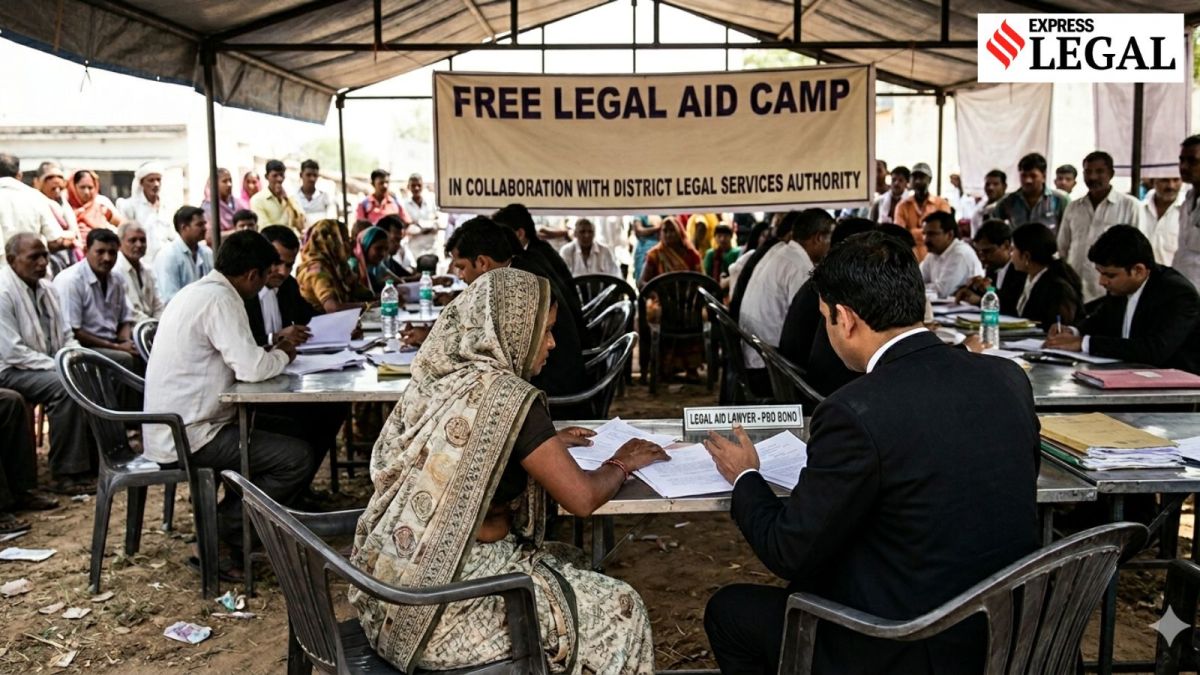
The Supreme Court set aside the death sentence in the 1996 Dausa blast case after finding that the accused did not receive adequate legal assistance during the trial and appeal process. The Court held that the earlier conviction could not stand because the defence was not properly represented, and it ordered the proceedings to be heard again.
Why the ruling matters
The ruling is important because a criminal conviction, especially in a capital case, must satisfy the requirement of a fair trial and effective defence. The Supreme Court’s order reinforces the idea that access to legal assistance is part of substantive justice, not a mere procedural formality.
Background and earlier position
The case concerns a blast that took place in 1996 at Dausa, Rajasthan. The earlier position was a death sentence against the accused, but the Supreme Court has now held that the representation available to the defence was inadequate during both trial and appeal.
Related current affairs
- SC raps hospitals in U.P. minor’s rape and murder case
- Tarun Tejpal appeals against 10-year term in 2013 rape case
- SC to hear plea against Ram Rahim’s acquittal in 2002 case
- SC acquits murder convict who served 22 years in prison
- Right to respecT, full sentence
- Kerala double murder case convict sentenced to death