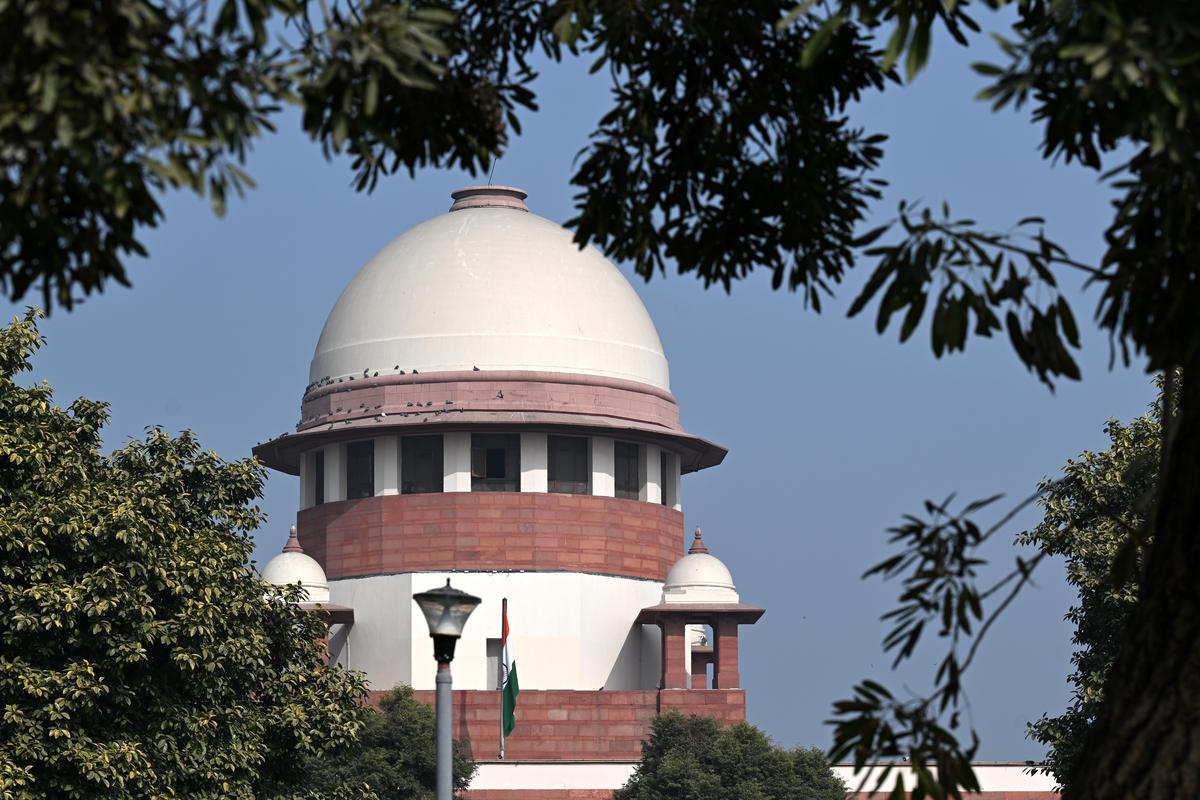
The Supreme Court criticised two private hospitals in Ghaziabad, Uttar Pradesh, for allegedly failing to provide timely treatment to a four-year-old rape-murder victim. The case matters for UPSC because it combines the right to life, emergency medical ethics, and police accountability in a single criminal-justice dispute.
What happened
The child was allegedly abducted by a neighbour on the pretext of buying chocolates, later found unconscious and bleeding, and first taken to two private hospitals. According to the Supreme Court's remarks, the hospitals allegedly refused admission before the child was taken to a government hospital, where she was declared dead.
The Supreme Court asked the hospitals to pay reasonable compensation to the family and said doctors have no business calling themselves doctors if they do not perform their duty. The court also said that if the hospitals lacked the necessary facility, they should have taken the child to another hospital rather than ignore her because she was poor or unable to pay.
Background and earlier position
The case is part of a larger criminal-justice and child-protection issue. The Supreme Court had earlier criticised the police for reluctance in filing a First Information Report and for not investigating properly.
Related current affairs
- 1996 Dausa blast: SC sets aside death sentence, says legal assistance denied
- Tarun Tejpal appeals against 10-year term in 2013 rape case
- SC to hear plea against Ram Rahim’s acquittal in 2002 case
- SC acquits murder convict who served 22 years in prison
- Right to respecT, full sentence
- SC halts demolition drive in Rajasthan border districts