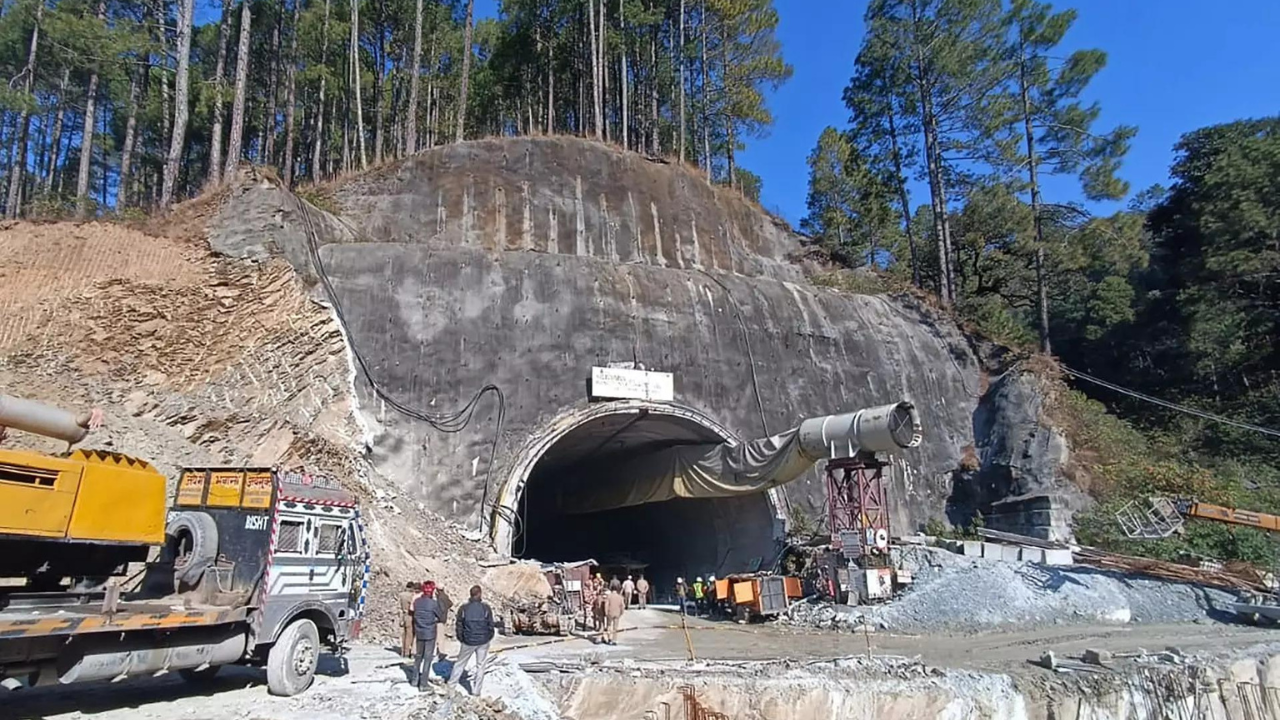
What happened in Namchi, Sikkim (20 July): suspected methane release in an NHPC tunnel
A suspected methane release led to an explosion at an under-construction NHPC hydropower project’s Head Race Tunnel in Sikkim’s Namchi district. The explosion killed 25 workers and caused partial damage to the tunnel.
NHPC and the Sikkim government have ordered thorough investigations. Preliminary reports point towards suspected methane formation within the tunnel area.
Working theory: how trapped methane could ignite during tunnelling
The explainer’s working theory is a chain of events: methane trapped or embedded in rock was suddenly released, mixed with air in the right proportion, and then ignited. Ignition is described as possibly linked to sparks generated during drilling.
Background and earlier position: how tunnel surveys are done in India
Related current affairs
- All is not well: India grapples with another Himalayan tragedy
- Toxic gas kills 20 in Sikkim tunnel, efforts on to save 5 workers
- NHPC’s own paper detailed gas fires in Teesta-VI tunnels before fatal blast
- 20 dead after blast at under-construction tunnel in Sikkim
- Sikkim tunnel tragedy toll rises to 15; rescue operation continues
- Toxic gas leak: 20 dead, efforts on to rescue 5 (NHPC tunnel incident in Sikkim)