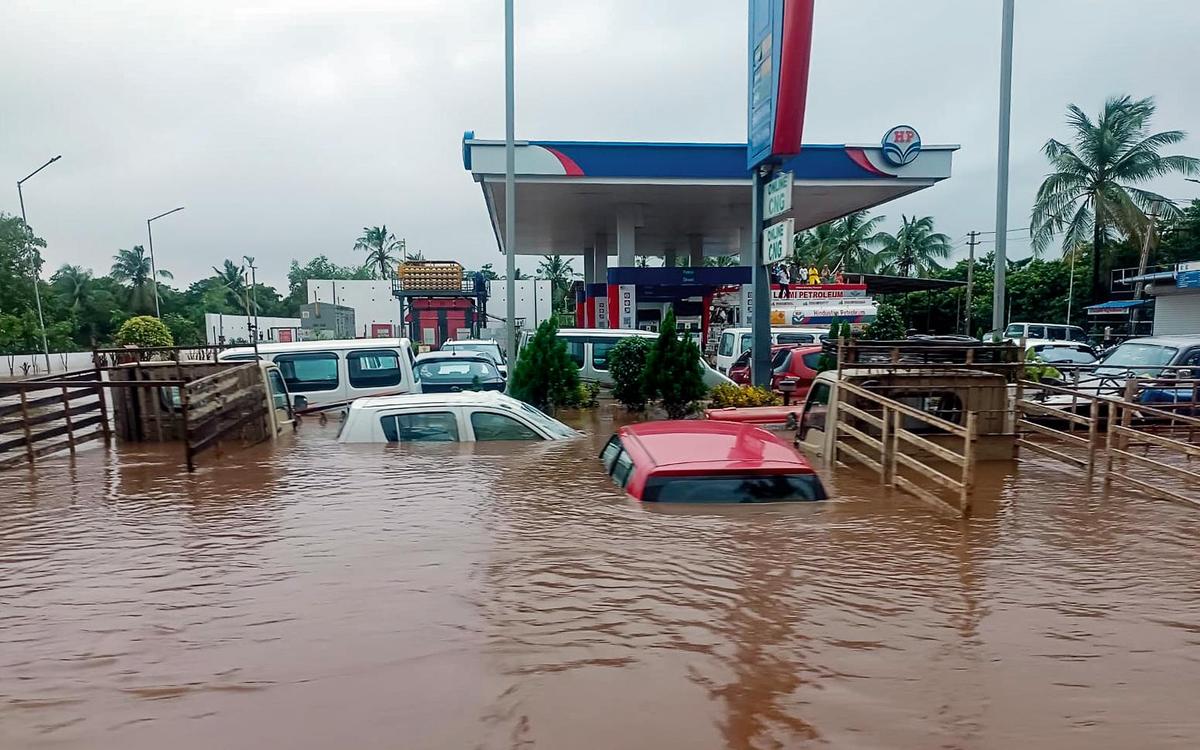
What happened in Gujarat flood response
Gujarat’s rain-related flooding produced a rising casualty toll as floodwaters receded. During the two-day period covered in the update, the reported death toll rose to 35 and rescue operations ended as waters fell.
Authorities attributed most fatalities to drowning or strong currents that swept people away. The highest death numbers were reported from Navsari and Valsad districts.
With rainfall easing, the administration shifted toward post-flood restoration and risk reduction activities, including damage assessments and sanitation measures.
Relief and rescue operations: who responded and what was done
The update states that relief and rescue support included the following agencies and efforts:
Related current affairs
- Rain fury claims 40 lives in Gujarat; several rescued
- 1,200 people rescued as heavy rain pounds south Gujarat; 1 dead
- Government of India monitors flash flood situation in Nepal; NDRF and border administrations on high alert
- 158 killed in Nepal flash flood, hundreds missing
- ‘Centre is closely monitoring Nepal flood, reservoirs’
- Centre monitors Nepal flood; Amit Shah reviews preparedness in Bihar and Uttar Pradesh