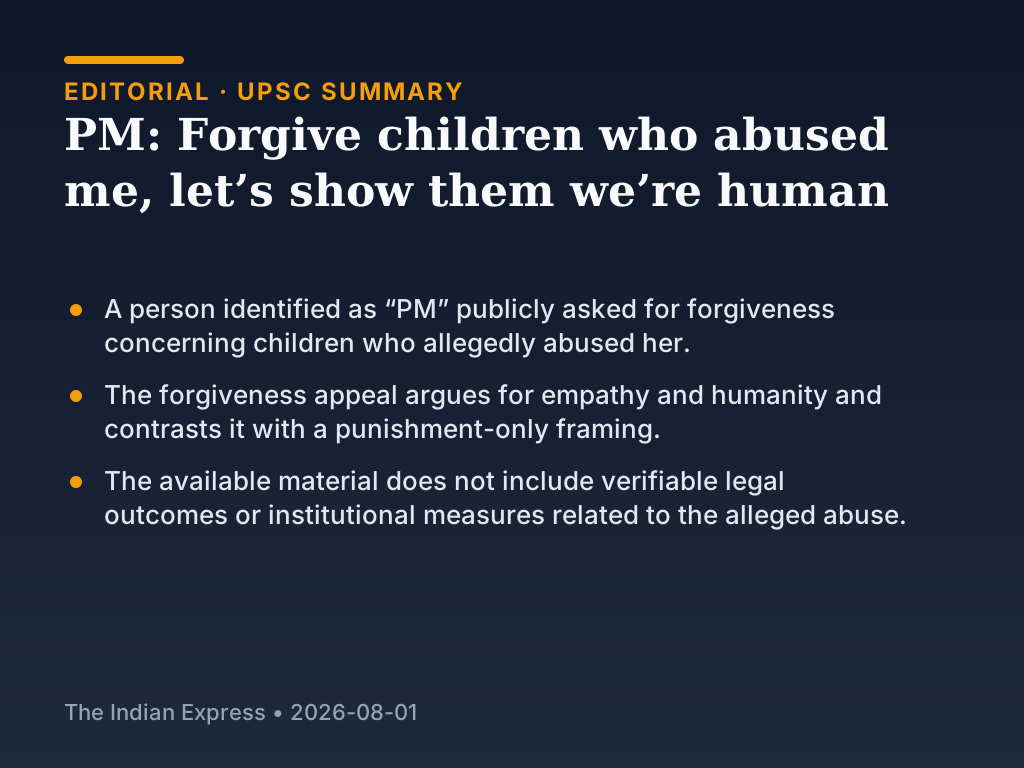
What happened: a public plea for forgiveness in alleged child abuse
A person identified as “PM” publicly asked for forgiveness concerning children who allegedly abused her. The appeal presents empathy and humanity as the guiding response and contrasts this with a punishment-only approach. The available material frames the message as a moral appeal made in public.
Background and earlier position: empathy-centred response versus punishment-centred response
The available information supports one clear background point: “PM” frames forgiveness as an ethical response to alleged harm. The material does not provide verified legal facts or institutional outcomes. So, the earlier position supported by the available text is the moral framing itself—“PM” argues that empathy and humanity should not be replaced by punishment-only thinking.
What changed now: public communication of the forgiveness appeal
The change is the public articulation of forgiveness as a response to alleged child abuse. By making the forgiveness plea public, “PM” turns a personal moral stance into an explicit ethics message about how people should respond to harm.
Related current affairs
- Tarun Tejpal appeals against 10-year term in 2013 rape case
- Sajjan Kumar (file photo) and case context box
- Faith: Who is the doer?
- The arguments: What the court’s reasoning and community claims revolve around in the 5-Dalits case
- Express special: Now, from a Rajasthan village, a familiar question: ‘If all acquitted, who killed 5 Dalits?’
- SC to hear plea against Ram Rahim’s acquittal in 2002 case