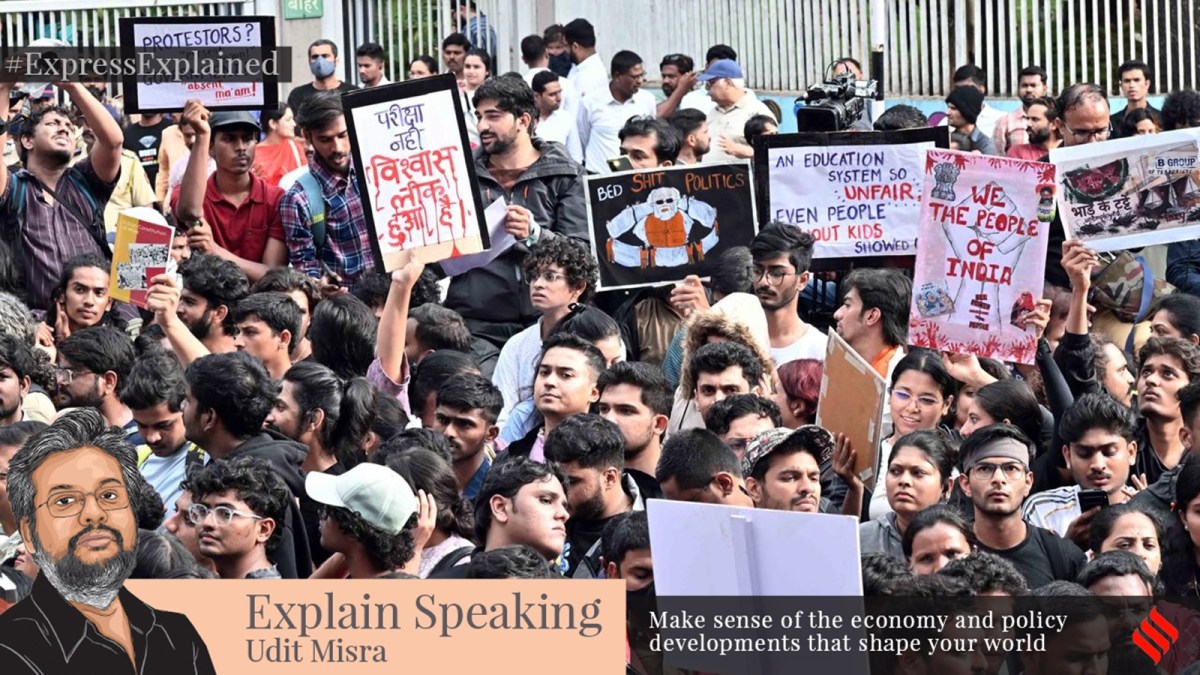
What happened
The Union government stepped up engagement with leaders of the NEET protest by sending Union Ministers J.P. Nadda and Jitendra Singh to meet activist Sonam Wangchuk, who is on a hunger strike over the issue. The outreach is meant to cool a growing protest movement tied to the cancellation of the examination and the political fallout that followed.
Mr. Wangchuk said he would consider ending the hunger strike if the Union government assured that no punitive or retaliatory action would be taken against the protesting students. He also said the ministers indicated that a meaningful parliamentary discussion could take place, including consideration of Education Minister Dharmendra Pradhan's resignation.
Background and earlier position
The agitation has grown around student anger over the examination cancellation and the deaths of students that families have linked to the crisis. Government sources said the Union government would also work with state governments on compensation for families who lost children to suicides linked by families to the cancellation.
Parliament has been presented by the government as the correct forum for a durable resolution. The meeting therefore signals a shift from a purely administrative response to a political and parliamentary one.
Related current affairs
- Ministers meet Wangchuk as govt. steps up outreach
- PM reaches out to students; Sonam Wangchuk ends fast
- 21 protesters continue hunger strike
- Opp: Govt not serious about education... students were compelled to hit streets
- BJP leaders, allies urge Centre to treat youth protests with empathy
- No debate while Pradhan stays in office: Opposition