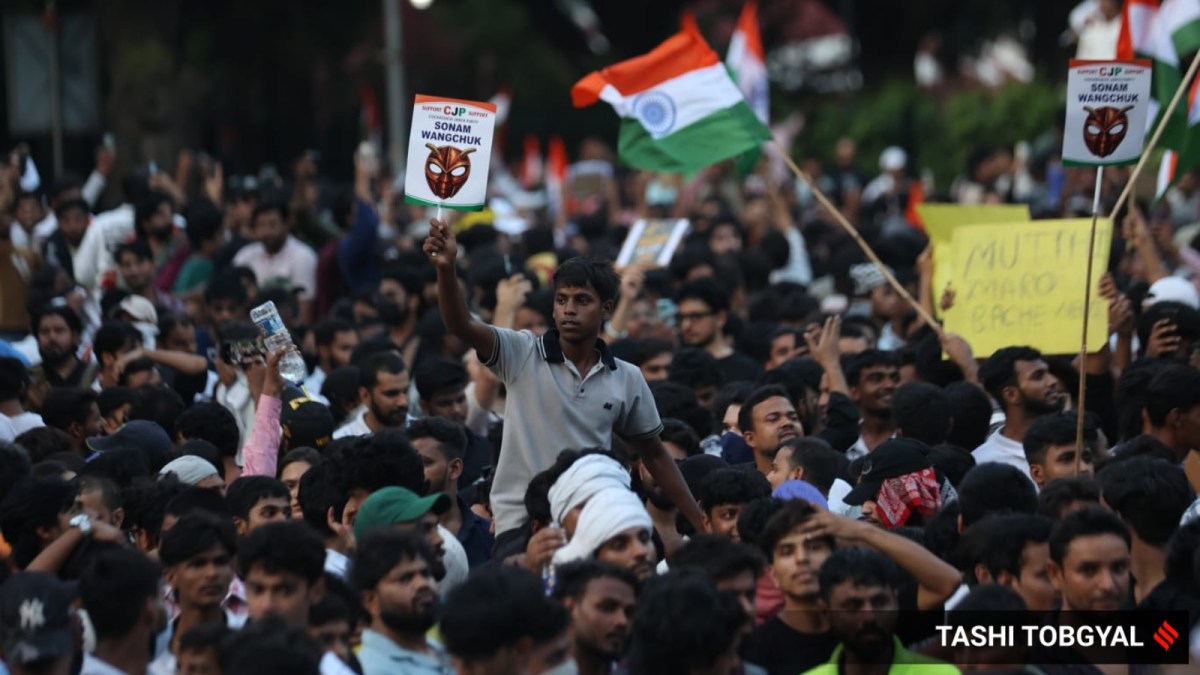
Leaders from the Bharatiya Janata Party and its National Democratic Alliance allies have urged the Union government to respond to student protests with empathy rather than a heavy-handed line. The remarks matter because the protests linked to paper leaks and the NEET controversy are being read within the ruling camp as a wider expression of youth frustration.
Former Union minister Murli Manohar Joshi said students’ anxieties are genuine and should be handled with empathy, especially after images of girls being manhandled. Other ruling-alignment voices reportedly said the handling of the demonstrations, including the treatment of protesters marching to Parliament, had been too harsh and could alienate young voters.
A Bharatiya Janata Party Member of Parliament said Jantar Mantar has become a gathering point for many different grievances. A senior National Democratic Alliance Member of Parliament warned that the protests now appear leaderless after Sonam Wangchuk was hospitalised.
The broader exam relevance lies in protest governance, institutional trust, and the political management of youth discontent. The episode also connects to recurring questions on exam integrity, grievance redressal, and the limits of coercive crowd control in a democracy.
Why the issue matters for UPSC
The development belongs squarely in GS2 because it links governance, state response to protest, and democratic accountability. It also has an essay-style dimension on whether empathy, transparency, and dialogue can reduce social unrest without weakening law and order.
Related current affairs
- ‘Gen Z’ protests test the Sangh, raise uncomfortable questions
- No debate while Pradhan stays in office: Opposition
- The government has exhibited its total inefficiency in ensuring tamper-proof examinations (Letter to the Editor)
- Students see ‘familiar playbook’ as DU, colleges endorse govt. action
- Over 400 protesters detained in Mumbai; Patna sees clashes
- Centre reaches out to Wangchuk; activist seeks protection for protesting students