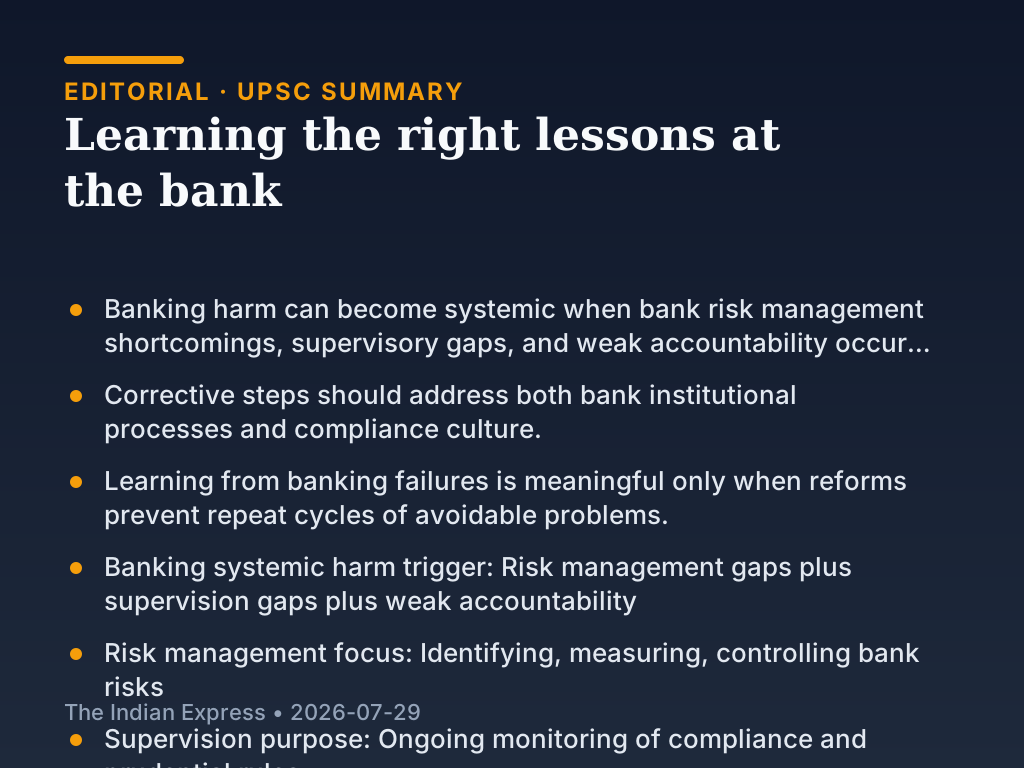
What the banking governance argument identifies as failures
The argument states that banking failures can produce systemic harm when failures repeat across three linked areas: bank risk management, financial supervision, and accountability for governance lapses. It treats systemic harm as the result of combined weaknesses, not as an isolated event inside one bank.
Why lessons from banking problems often do not translate into reforms
The argument says reform can fail to break the cycle when institutions treat “fixes” as one-time compliance exercises rather than changes to day-to-day risk governance and supervisory response. It highlights the risk of repeated preventable problems when corrective action is delayed or when governance and compliance culture do not change.
What should change: bank governance, oversight, accountability, and transparency
The argument calls for strengthening bank governance and improving financial supervision mechanisms. It also links effective accountability to transparency and timely corrective action, so governance failures are confronted promptly and learning converts into enforceable reform.