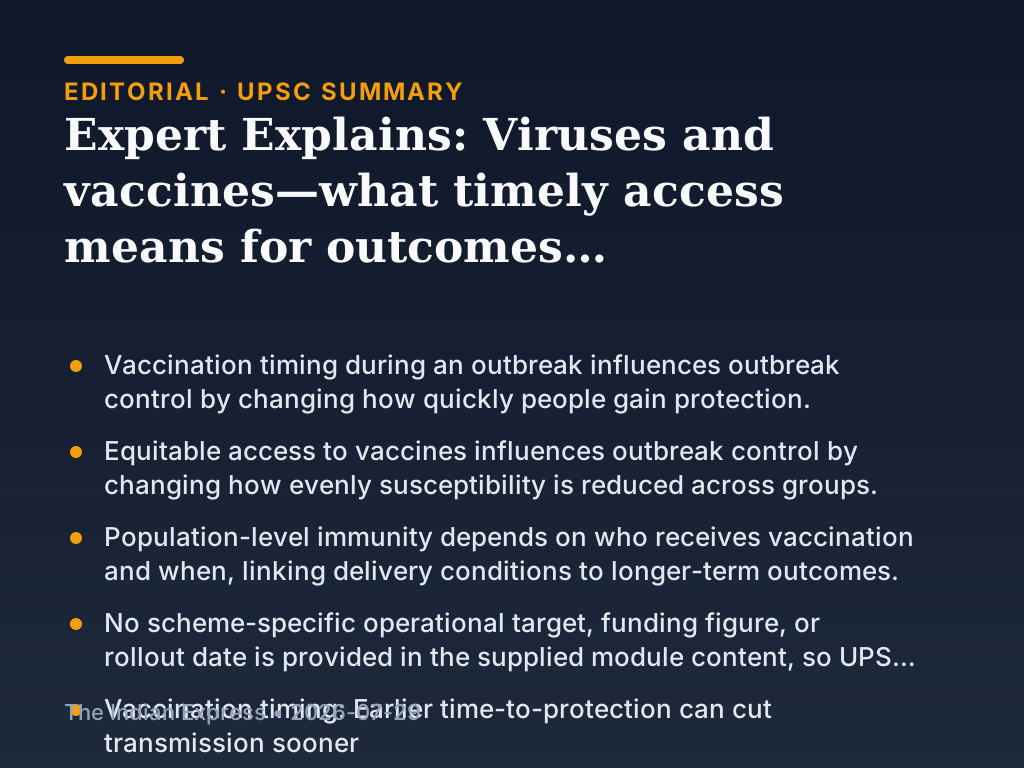
What the module’s framing highlights (vaccination timing and equitable access)
Vaccination outcomes during outbreaks depend on more than vaccine biology. Vaccination timing (how quickly eligible people receive vaccination during an outbreak) and equitable access (how fairly vaccines reach different groups) shape outbreak control and longer-term population immunity.
Background and earlier position (why timing and equity matter in outbreak control)
Outbreak control aims to reduce the number of people who remain susceptible for long enough to sustain transmission. Delayed vaccination leaves more people unprotected during the growth phase of an outbreak. Unequal access can keep transmission risk concentrated in underserved populations, sustaining outbreaks and widening health differences.
What changed now (emphasis on the delivery pathway)
Why it matters for UPSC (GS2 + GS3 connection)
Related current affairs
- Vaccines and timely fair access
- Vaccine access: critique of delays/inequity and call for timely distribution
- India approves first dengue vaccine for persons aged 4-60
- ‘No new H1N1 strain in India, existing vaccines sufficient’
- Nadda reviews preparedness, calls for robust surveillance as H1N1 cases rise in Delhi
- Faith healing poses challenge to authorities as diseases kill 7 tribal children in Madhya Pradesh