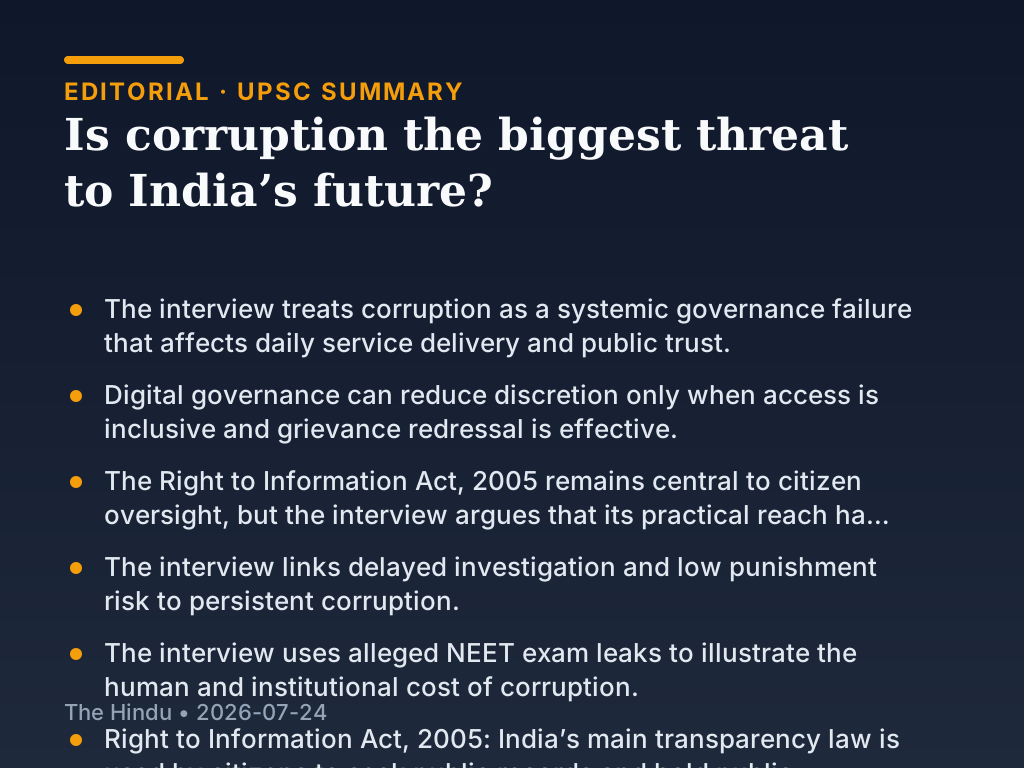
Corruption is presented in the interview as a structural governance problem rather than a single scandal. The discussion links corruption to alleged NEET exam leaks, the weak functioning of accountability institutions, and the claim that digital governance has not automatically reduced bribery or improved access for poor and marginalised citizens.
What the discussion argues
Anjali Bhardwaj argues that corruption exists from the highest to the lowest levels of governance. She says digitalisation is often projected as a cure-all, but field experience shows that online systems do not automatically eliminate bribery.
Bhardwaj also argues that digital systems can create new friction for citizens who lack literacy or reliable internet access. In such cases, citizens may depend on middlemen such as private cyber-cafes, which can raise the cost of access to public services.
Shailesh Gandhi describes the Right to Information Act, 2005 as one of India’s strongest transparency laws. He says later judicial interpretations, bureaucratic resistance, and the use of the Digital Personal Data Protection framework have weakened access to corruption-related information.
Background and earlier position
Related current affairs
- PMFBY digital and governance framework: NCIP, DigiClaim, land-record integration, CCE Agri app, CROPIC and grievance redressal
- A civilisational approach to social media
- Cong. to launch campaign against Ram Temple ‘theft’, step up student outreach
- 7th BRICS ICT Working Group Meeting Continues in Pune on Digital Public Infrastructure and Digital Governance
- AI, Quantum, Cybersecurity and Digital Tools are rapidly transforming governance: Dr. Jitendra Singh
- CIC launches upgraded AppCoMS 2.0 portal for Second Appeals and Complaints