What happened
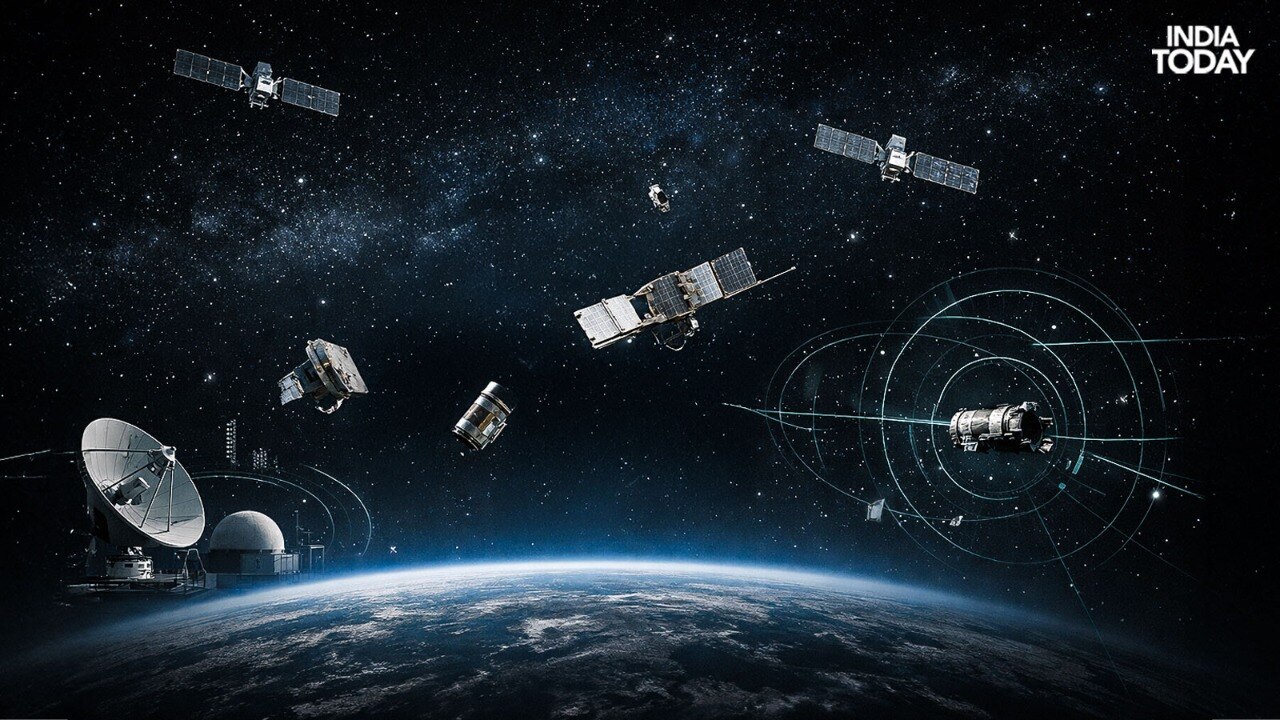
The United States Federal Communications Commission (FCC) has authorised Reflect Orbital to launch and operate Eärendil-1, a test satellite intended to deploy a large mirror-like reflector in orbit. The satellite is planned for a non-geostationary orbit at roughly 625 km altitude and a high inclination, and the licence is limited to two years.
The reflector is described as a motorised, steerable thin-film surface. Reflect Orbital’s stated purpose is to direct reflected sunlight onto specific areas of Earth at night to extend the practical hours for solar panels and to provide illumination during critical operations, including emergency and humanitarian activities.
Why the decision drew concern
Astronomical and research organisations warned that reflected sunlight from orbit could add background skyglow and interfere with optical astronomy observations. The concern is not radio interference alone; it is the visibility and brightness of artificial light reflected from space.
The FCC said its regulatory authority covers radiofrequency interference and orbital debris, but it treated the visual impact of reflected sunlight as outside its statutory authority. Even so, the FCC imposed conditions aimed at reducing risks to astronomy and other satellite missions.
Related current affairs
- Answers to August 20 quiz + Visual prompt (German astronomer)
- QUESTION 2 (Science Quiz): Jupiter-near object ‘star’ later a planet
- Science Quiz (subset): Visual prompt—name German astronomer for Jupiter’s moons
- THE GIST (summary box for the re-entry rules story)
- How will Gaganyaan’s thermal shield protect the crew?
- Zhurong 2 and China’s pace (feature/explainer)