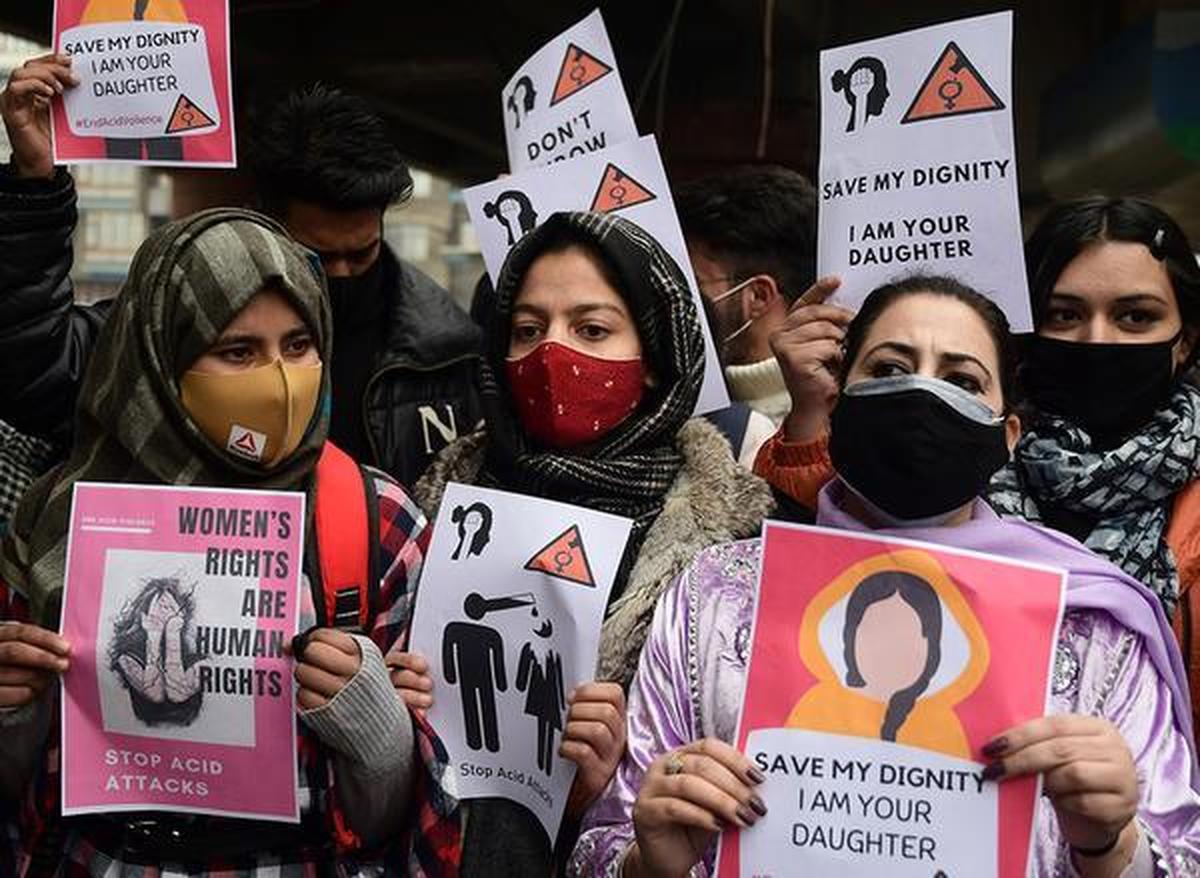
What happened
The Union government informed the Supreme Court that it has amended the Rights of Persons with Disabilities Act, 2016 so that an acid attack victim now includes a person who suffers internal injuries from ingesting acid or another corrosive substance. The change was notified on May 22, 2026 and is stated to have retrospective effect.
According to the government’s statement before the Court, the revised definition covers disfigurement caused externally or internally by violent assault, self-infliction, accidents involving throwing, administering, or spilling acid or similar corrosives.
Background and earlier position
The earlier legal position recognised acid attack victims mainly in cases of acid-throwing. Victims of forcible acid ingestion were not expressly covered in the earlier understanding of the law.
The Supreme Court had recently expanded the category by using Article 142 of the Constitution to ensure that survivors of forcible acid ingestion were not left outside the protective framework. The Court also suggested changes to penal and bail provisions to improve deterrence against perpetrators.
Related current affairs
- ‘Don’t play politics’: SC on Ram Temple controversy
- Man hurls papers at SC Bench after incoherent address
- MoU launches DISSSA campaign with Brahma Kumaris/RERF to empower persons with disabilities (Divyangjan)
- Why was Acting CJ of Rajasthan HC not shifted, judge asks CJI
- SC asks Centre to consider plea for reduction in NEET-SS cut-off
- MoD officer’s death: police to seek legal opinion on ‘conflicting statements’ by victim’s family