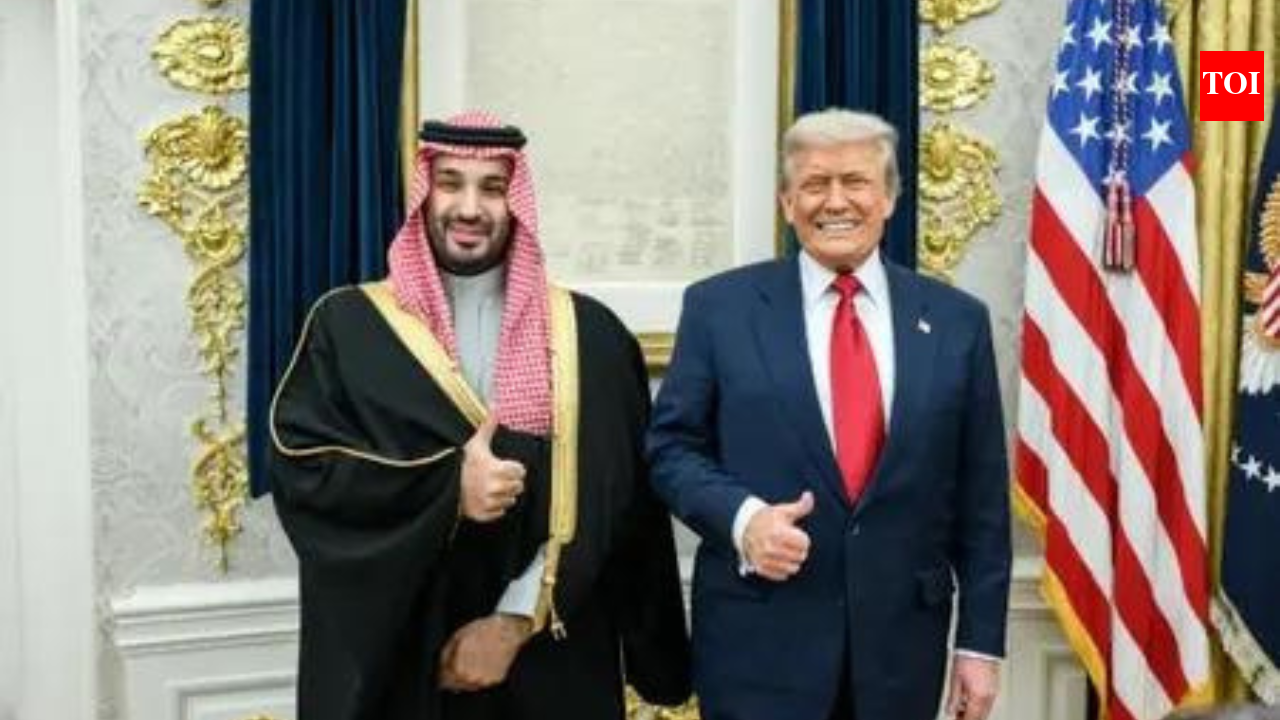
What happened
Saudi Arabia and the United States have reached a framework agreement that could allow Saudi Arabia to move ahead with a civilian nuclear programme, including uranium enrichment inside Saudi Arabia. The reported understanding is significant because it ties together energy cooperation, security concerns, and regional diplomacy.
Why the development matters
A civilian nuclear programme with domestic uranium enrichment is a major strategic concession in any bilateral nuclear arrangement. The central UPSC relevance lies in the balance between nuclear-energy ambition, safeguards against proliferation, and the diplomatic leverage that a major power can gain through nuclear cooperation.
Background and earlier position
Saudi Arabia has sought options to diversify its energy future while preserving strategic autonomy in West Asia. The United States has historically treated civilian nuclear cooperation as an area that requires strong safeguards, because enrichment capability can also shorten the pathway to weapons-grade material if controls weaken.
Related current affairs
- U.S. announces civilian nuclear agreement with Saudi Arabia
- U.S. to announce nuclear agreement with Saudi Arabia
- What is the Saudi-U.S. nuclear deal about? Why does Saudi Arabia want a nuclear programme? Why has President Trump linked the deal to the Abraham Accords? How does the agreement impact Iran’s nuclear programme?
- Trump vows to hit a bridge or power plant in Iran for each Hormuz attack
- Iran suspends commitments to interim agreement with the U.S.
- U.S. strikes widen: targets bridges and energy infrastructure in Iran; Iran warns to conserve power