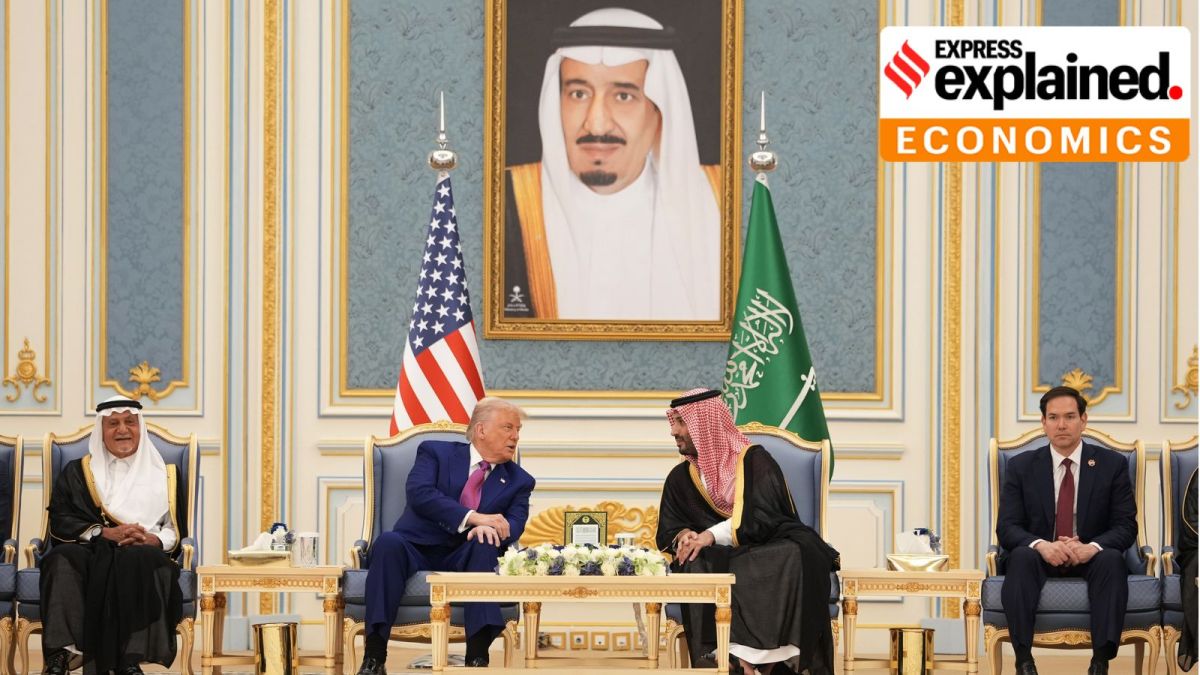
The United States and Saudi Arabia have announced an agreement to establish a civilian nuclear program in Saudi Arabia. The deal matters for UPSC because it combines energy cooperation, non-proliferation concerns, and West Asia geopolitics in one issue.
The agreement is linked to Saudi Arabia normalizing relations with Israel, a condition highlighted by U.S. President Donald Trump after the announcement. The arrangement is also being presented as commercially beneficial for American firms and strategically useful in the long-running regional contest with Iran.
What changed now
The agreement text was not immediately made public. The absence of the full text has strengthened concern that the arrangement may include provisions related to uranium enrichment, which is a sensitive part of any civilian nuclear programme.
Trump said there would be "no enrichment" of material. U.S. Energy Department officials did not comment on the specific allegations reported. The central unresolved issue is whether the civilian program will include a pathway that could later be repurposed for weapons capability.
Background and earlier position
Related current affairs
- U.S. to announce nuclear agreement with Saudi Arabia
- Saudis reach deal with US that could let them enrich uranium
- What is the Saudi-U.S. nuclear deal about? Why does Saudi Arabia want a nuclear programme? Why has President Trump linked the deal to the Abraham Accords? How does the agreement impact Iran’s nuclear programme?
- All art, no deal: Donald Trump miscalculated timing and substance of Saudi nuclear deal
- A new security triangle emerges with the Makkah Pact
- Saudi-US deal exposes alarming contradictions of new world order