What happened
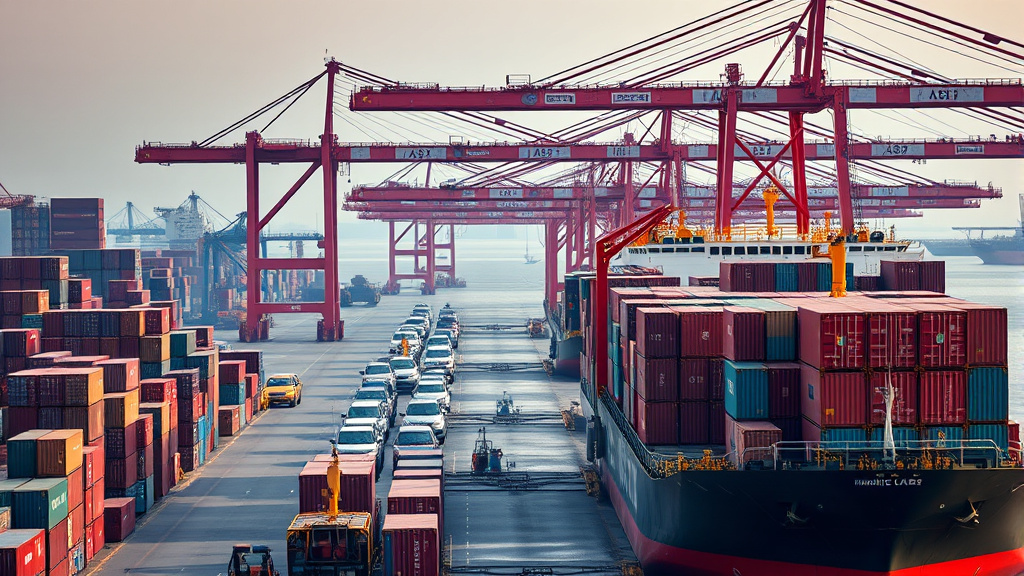
India’s containerized trade is under pressure as repeated global shipping disruptions have reduced container availability and pushed up freight costs. Exporters are facing higher booking charges, longer routing times, and penalties when empty containers cannot be returned on time.
The disruption is affecting shipments from Indian ports to West Asia and Iran, especially where vessel availability around the Strait of Hormuz has become uncertain. Many shipments that earlier used the Red Sea and Suez Canal route are now moving through longer alternatives such as the Cape of Good Hope.
Why the issue matters
The note links the shipping shock to India’s structural dependence on foreign shipping lines and global capacity allocation decisions. Even small reductions in available shipping capacity can clog ports, slow container turnaround, and hurt time-sensitive exports such as prawns, coffee, basmati rice, and other agricultural and chemical cargo.
Structural background
Related current affairs
- Global shipping line orders containers from an Indian manufacturer; prototype unveiled in Dadri
- Escalation trap
- Iran vows ‘eye for an eye’ as U.S. bombing continues
- The bittersweet realities of the India-UK FTA
- New LPG connections still on hold amid West Asia tensions
- INBRIEF: Iran and Oman officials and ministers continue to meet to come up with a framework to administer the Strait of Hormuz so traffic can restart