What happened
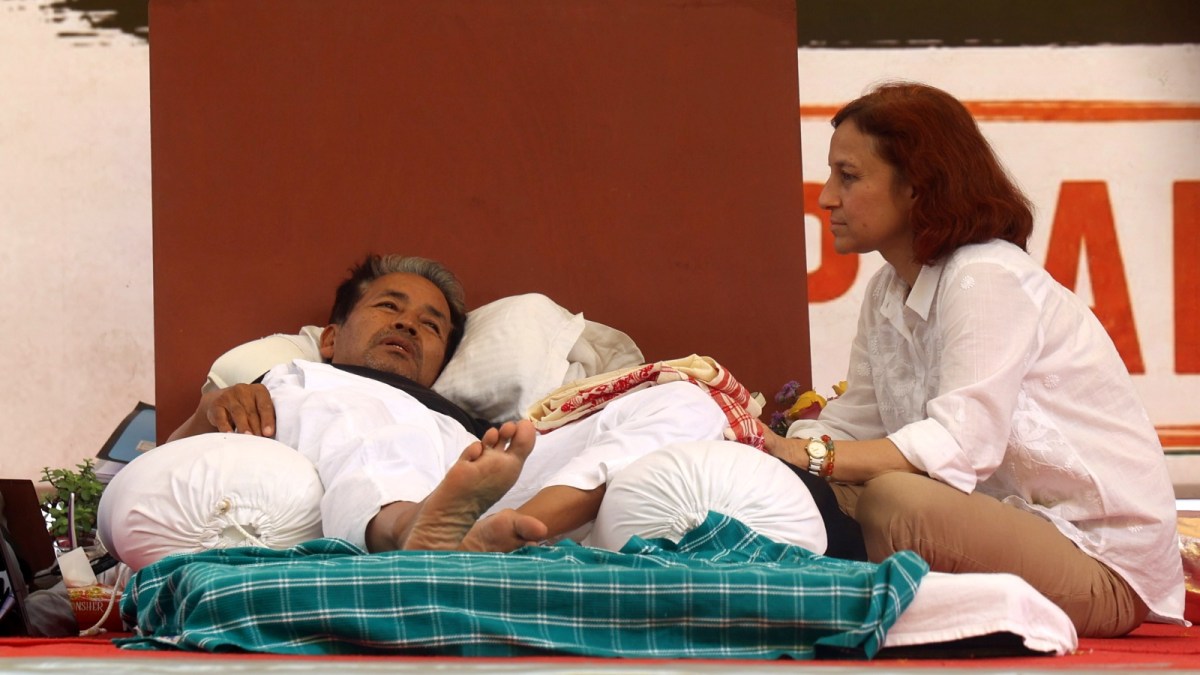
Sonam Wangchuk continued his indefinite hunger strike on day 20 and demanded the resignation of Education Minister Dharmendra Pradhan. A physician said Wangchuk had lost weight, showed mild dehydration, and remained mentally alert.
Support also built around the protest. Congress leaders, an NCP(SP) lawmaker, and Olympic medallist Manu Bhaker visited or expressed solidarity. Wangchuk also urged people to join the proposed Parliament march on July 20.
Parallel student hunger strike in Delhi
Students linked to CPI(ML) Liberation’s All India Students’ Association (AISA) are also on hunger strike in Delhi. Former AISA president N. Sai Balaji said three students — Neha, Ameen, and Manish — were advised not to continue walking and were told to use wheelchairs for the rest of the fast.
The medical concerns cited for the three students included severe low blood sugar for Neha, high uric acid and major body-weight loss for the others, and a report that Manish was near loss of consciousness. The hunger strike is therefore not only a political action but also a public-health issue.
Related current affairs
- Delhi HC seeks govt. response on police actions during CJP march
- Silence is not governance (letter on Sonam Wangchuk’s hunger strike)
- Govt doctors must monitor Wangchuk health, directs HC
- Wangchuk weak, Delhi HC orders monitoring
- Sonam Wangchuk to be discharged from hospital today; will visit Rajghat
- Wangchuk opens a window for talks as Centre steps up efforts to resolve crisis