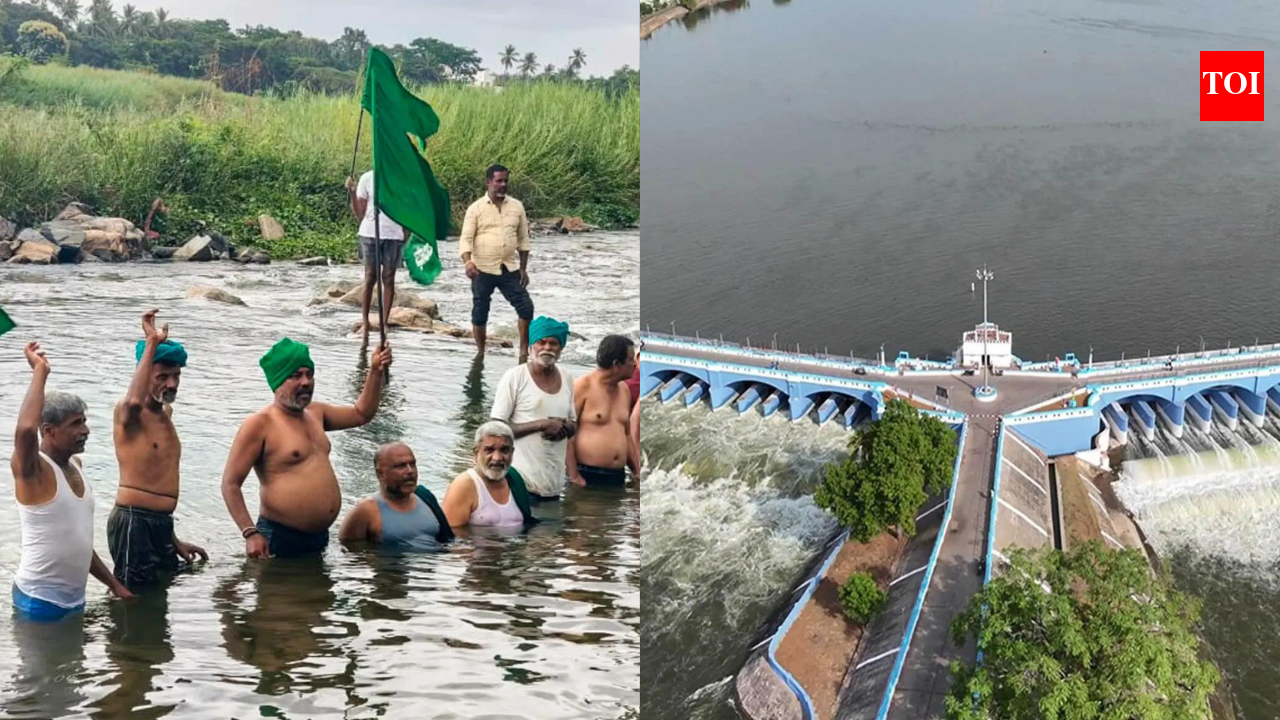
What happened: CWMA upheld Cauvery water release direction to Tamil Nadu
The Cauvery Water Management Authority (CWMA) upheld a Cauvery water release directive in the inter-state Cauvery dispute. CWMA met in Delhi and endorsed the direction of the Cauvery Water Regulation Committee (CWRC), directing Karnataka to release Cauvery water to Tamil Nadu at a specified daily rate for a defined period. The CWMA function is described as apex monitoring for implementation of Supreme Court Cauvery directions.
Karnataka sought a temporary pause by asking CWMA to keep the CWRC order in abeyance for another fortnight while Karnataka reviewed hydrological conditions. CWMA examined the Karnataka request alongside hydrological data and upheld the CWRC directive, requiring Karnataka to follow the CWRC order. The CWRC directive included commencement of release from the previous day.
After CWMA’s decision, Karnataka’s Chief Minister convened an all-party meeting to deliberate on the next steps. Karnataka also submitted hydrological arguments to CWMA, including a claim that reservoir inflows were significantly below the 30-year average and that Karnataka attributed this shortfall to the super El Niño effect.
Background: dispute on daily release quantum, measurement point, and distress period
A central disagreement in the Cauvery dispute concerns the daily release quantum ordered by CWRC and the operational quantum needed for downstream availability at the inter-state boundary. The CWRC order referenced in the dispute required Karnataka to release 3,500 cusecs per day. Karnataka argued that because of transmission losses on the river bed, the release might need to be increased to 7,000 cusecs per day before reaching the Biligundlu measuring gauge at the inter-state border.
Related current affairs
- Release Cauvery water to T.N., panel tells Karnataka
- Why did Cauvery panel order Karnataka to release water?
- Karnataka will approach SC today against water order
- India’s PM reviews; Karnataka vs Tamil Nadu over Cauvery releases (CWMA/CWRC context)
- Karnataka to appeal against CWRC order
- DMK moves Supreme Court to direct Karnataka to release T.N.’s share of Cauvery water