Coming to America... and staying longer than expected
The expanded 48-team FIFA World Cup is being linked to more underdog runs and greater exposure for lesser-known players.
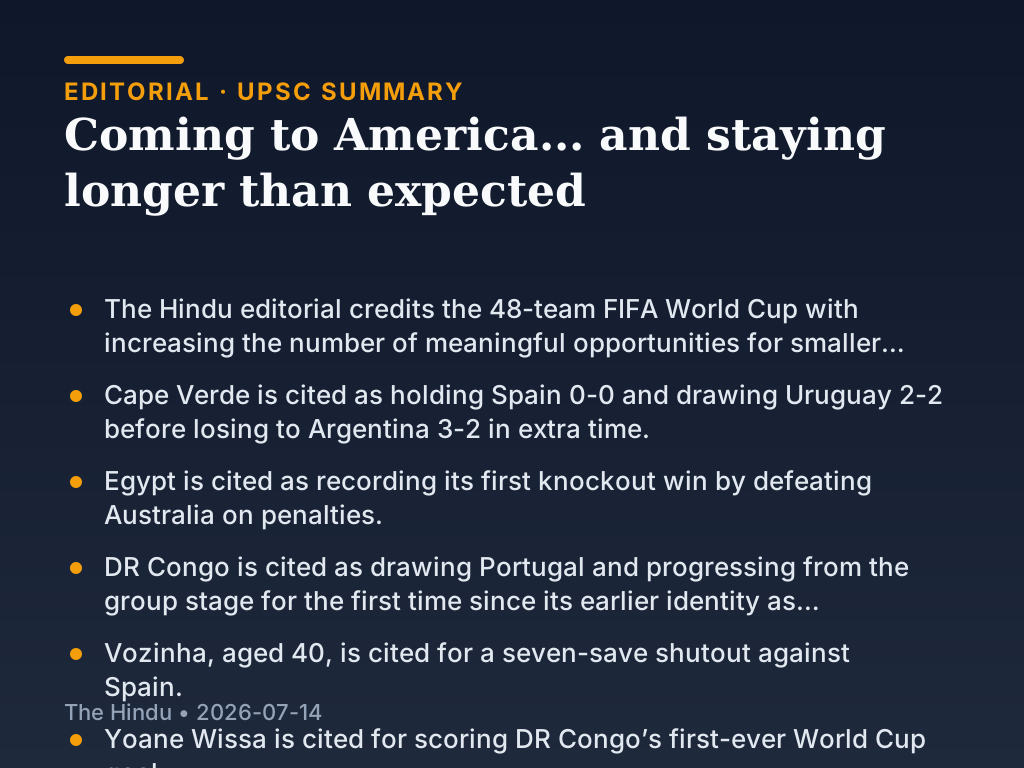
- The FIFA World Cup is described as having expanded to a 48-team format.
- Cape Verde is described as holding Spain 0-0, drawing Uruguay 2-2, and losing to Argentina 3-2 in extra time.
- Egypt is described as winning its first knockout match by beating Australia on penalties.
- DR Congo is described as drawing Portugal and progressing from the group stage for the first time since its earlier identity as Zaire.
The 48-team FIFA World Cup is being presented as a format that has strengthened competitive drama. The expanded tournament has produced more underdog breakthroughs, more memorable matches, and better opportunities for lesser-known players to influence outcomes.
What happened
Egypt recorded its first knockout win by beating Australia on penalties. Norway returned after years away and beat Brazil in the round of 16. Democratic Republic of Congo drew Portugal, and South Africa topped its group by defending well against Mexico and South Korea.
UPSC can use the 48-team FIFA World Cup to test how structural changes in a global sporting competition alter incentives, participation, and talent visibility. A Mains answer can weigh inclusivity and opportunity against fears of dilution, while a Prelims question can ask about the 48-team World Cup format and its implications.
Related dispatches