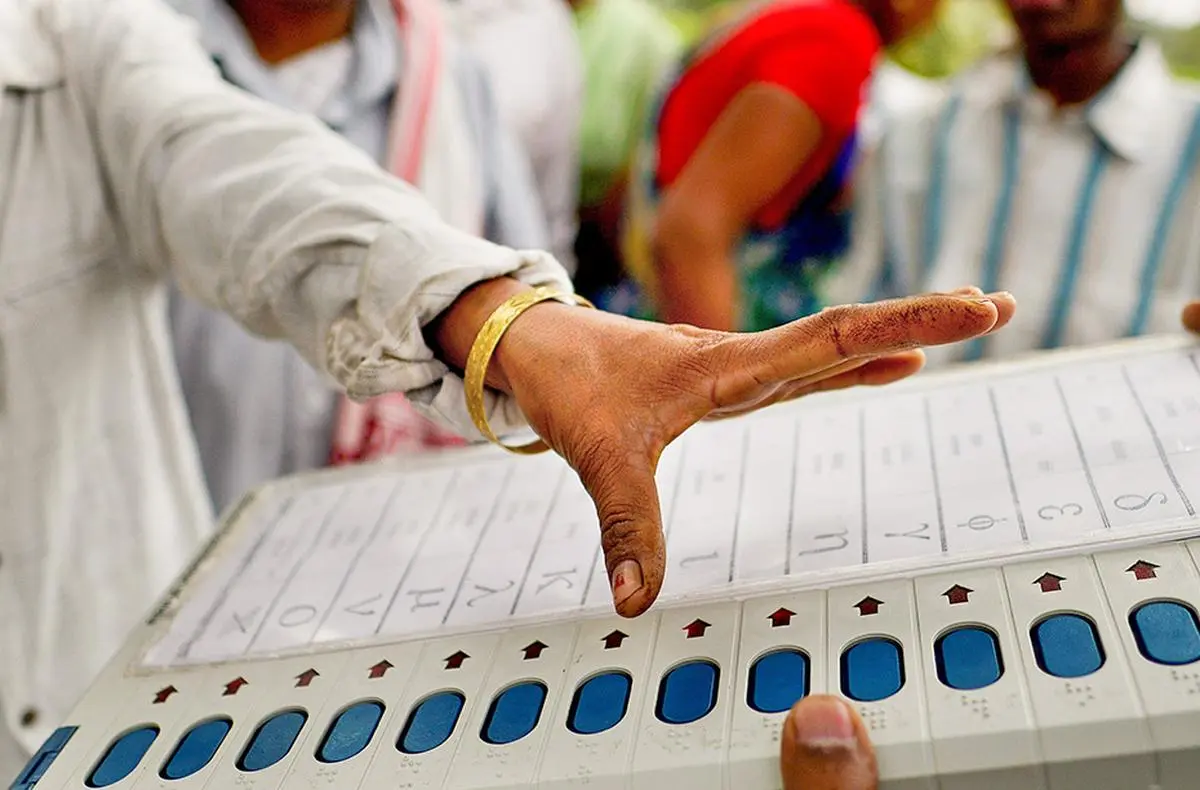
Assembly byelections in Bankipur in Bihar, Daita in Madhya Pradesh, and Manjalpur in Gujarat are drawing attention ahead of the next round of state elections. The key issue is not only who wins these seats, but whether the familiar advantage of ruling parties and ruling coalitions in byelections continues to hold.
A statewide pattern across 153 Assembly byelections suggests that ruling parties or ruling coalitions have won about three-fourths of the seats, while opposition parties have won a little under one-fourth.
What the data show
In the most recent pre-current-cycle round, all seven byelection seats went to the ruling party or ruling coalition. The yearly breakup for 2025, 2024, 2023, and 2022 also shows a repeated ruling-party edge.
Why these byelections are being watched
Related current affairs
- Stage set for high-stakes byelections as candidates file papers in three States
- Beard, niqab, Arabic expressions: MP flags ‘profiling’ in Gujarat’s ‘anti-radicalisation’ SOPs (from page 1)
- ‘Centre is closely monitoring Nepal flood, reservoirs’
- BJP president holds strategy meeting for Assembly elections
- Gujarat liquor tragedy: eight deaths, 10 in critical condition
- Farmer IDs: 53.83 lakh farmer identity cards created in Bihar to improve scheme delivery and transparency