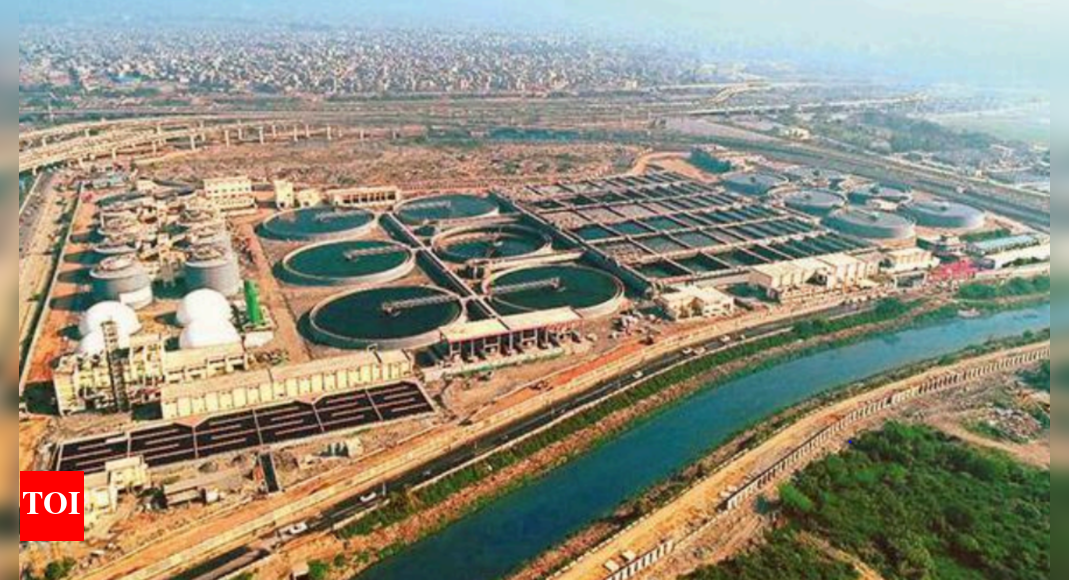
What happened: Delhi plans 15 decentralised wastewater treatment plants for Yamuna pollution control
Delhi’s government plans to address treated sewage that reportedly continues to enter the Yamuna by installing 15 new decentralised wastewater treatment plants. The plan’s stated objective is to improve local wastewater treatment capacity and reduce sewage discharge into the Yamuna.
Delhi’s government describes decentralised wastewater treatment plants as a way to complement existing infrastructure and to improve targeting and management of sewage flows so wastewater is treated more effectively before it reaches the river.
Background: wastewater treatment and Delhi–Yamuna linkage
Delhi’s wastewater management has a direct link to the Yamuna because the river receives wastewater from urban drainage and sewage systems. The quality of effluent leaving wastewater treatment units affects the level of pollution that eventually enters the river.
Before the proposed expansion, Delhi relied on existing wastewater treatment infrastructure for sewage management. The proposal indicates a perceived need for additional local treatment capacity and better control of sewage flows reaching the Yamuna.
Related current affairs
- To stop untreated sewage entering Yamuna, Delhi govt to get 15 new decentralised treatment plants
- DJB approves Yamuna rejuvenation projects worth ₹4,500 crore
- HC asks Ganga oversight body to examine plan for 13 sewage plants
- News in Frames: Chromium contamination legacy near the Ganga
- ‘Rice scam’ unfolding in Delhi: AAP; large-scale lapses under Kejriwal exposed by CAG: BJP
- ‘₹42 crore of lapses in 3 years’: CAG report on AAP’s power subsidies tabled in Assembly