What happened: Delhi’s Lakshmi Yojana begins unconditional cash transfers
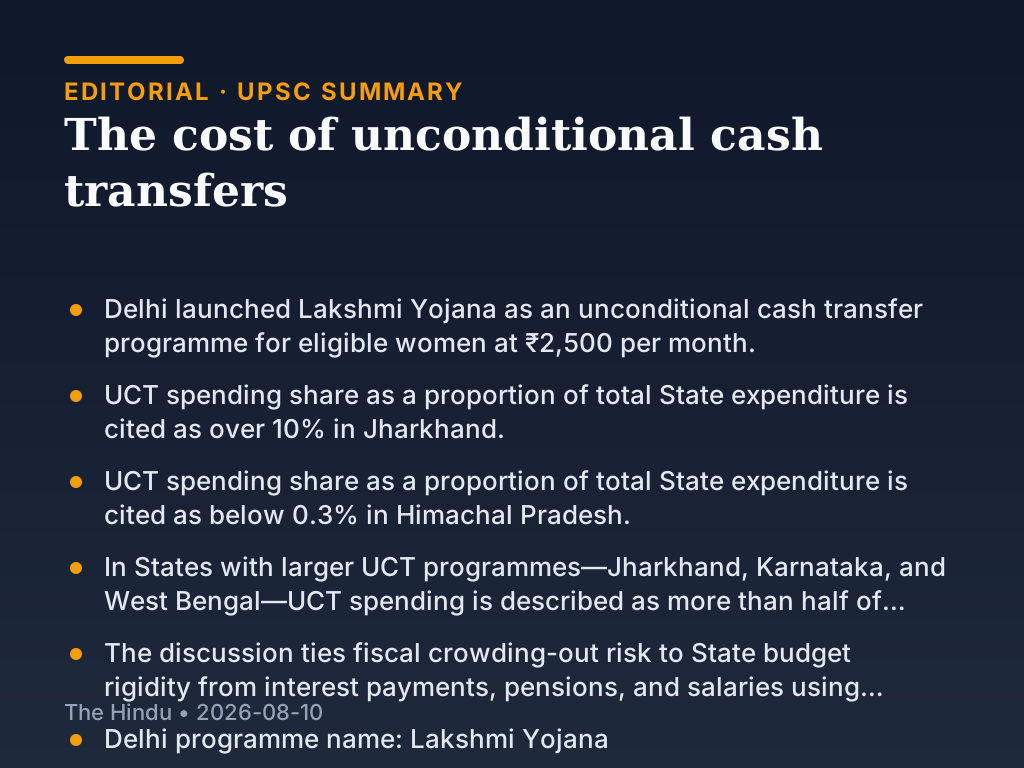
Delhi launched Lakshmi Yojana, an unconditional cash transfer (UCT) programme that provides eligible women ₹2,500 per month. The programme is positioned as a welfare delivery method and follows a broader UCT direction already visible in other States and Union Territories.
Background and earlier position: fiscal reviews question the budget room for UCTs
Major fiscal assessments and studies highlighted in the discussion—including the Economic Survey and the 16th Finance Commission report—raised concerns about the growing budgetary burden linked to expanding unconditional transfers. The concern rests on limited fiscal room because State finances are not fully flexible: large shares of expenditure go to items such as interest payments, pensions, and salaries.
The discussion also notes that some States used “rationalisation” (restricting eligibility) to reduce beneficiaries or control costs for UCT-type welfare programmes. It also points out that Lakshmi Yojana may include restrictive eligibility conditions intended to keep beneficiary numbers contained, including a requirement for recommendations from local representatives.
What changed now: UCT spending shares vary sharply across States
Related current affairs
- Mines Bill won’t affect autonomy of States, Minister says in RS
- CM tables CAG report on decline in infrastructure investment under AAP
- Economics: As Vijay govt presents first budget, TN’s key challenge: Mounting debt burden
- GST must be fuelled by domestic production, not inflation or imports
- The Sixteenth Finance Commission risks moving away from its core mandate of acting as an equalising force within the federation
- Ahead of TVK’s maiden budget, a primer on T.N.’s finances