What happened
Skyroot Aerospace’s Vikram-1 is being presented as India’s first privately developed orbital launch vehicle. According to the official communication, the launch is scheduled under Mission Aagaman between 12 July and 4 August 2026 and is meant to demonstrate India’s private launch capability in the orbital segment.
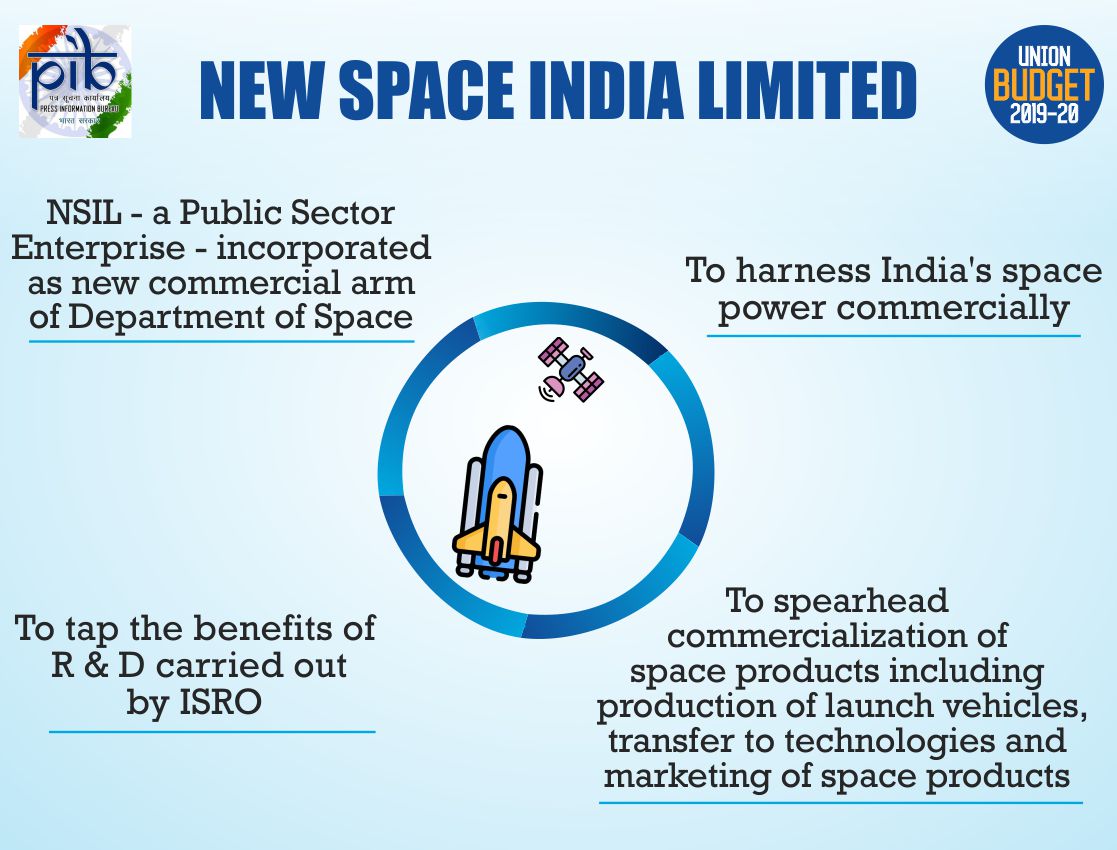
The official communication places Vikram-1 within a broader shift in the Indian space sector. The government says reforms under the Indian Space Policy 2023, the work of IN-SPACe, the commercial role of NSIL, and liberalised foreign direct investment norms have together expanded private participation across the space value chain.
Why the topic matters for UPSC
The topic combines science and technology with economic reform and governance. It links an emerging private launch vehicle to institutions, regulations, investment frameworks, and technology transfer, all of which are recurring UPSC themes in GS3 and, to some extent, GS2.
Background and earlier position
Related current affairs
- Vikram-1 launch: India’s first privately developed orbital launch vehicle and validation of space-sector reforms
- India’s private space sector sees momentum; investment crosses USD 618.5 million and safety-security guidelines to be strengthened
- Prime Minister congratulates Skyroot Aerospace on successful launch of Vikram-1
- India’s first privately made orbital rocket Vikram-1 places payloads into orbit
- Vikram-1 India’s first private orbital rocket mission; PM calls it a defining moment
- THE GIST