What happened
The Ministry of Heavy Industries informed the Lok Sabha that India has expanded public electric vehicle charging support and is using policy tools to address range anxiety among private electric vehicle users. The reply places charging infrastructure, fiscal incentives, and manufacturing support within one electric-mobility framework.
Current status of public charging infrastructure
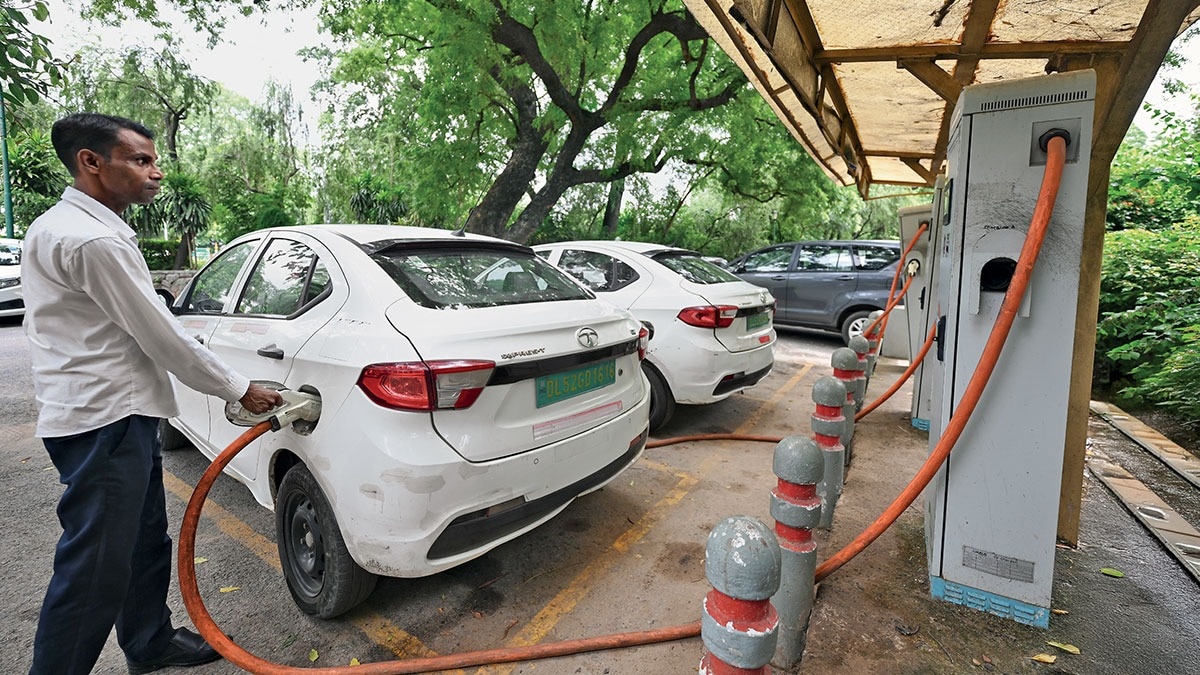
According to the Bharat Heavy Electricals Limited (BHEL) portal, India has 52,718 public charging stations, of which 16,561 have fast chargers for cars. The government said these stations are being expanded especially in cities and along highways.
Policy measures already in place
The Ministry of Power issued the Guidelines for Installation and Operation of Electric Vehicle Charging Infrastructure, 2024. The guidelines support a connected and interoperable charging network and also cover battery swapping and charging stations.
Related current affairs
- MHI details FAME-II and other EV schemes, charging infrastructure allocations and EV adoption trends
- FAME India Phase-II and related MHI schemes: progress in EV adoption and charging infrastructure
- Roads Reimagined: The Rise of India’s Electric Vehicles Ecosystem
- PM E-DRIVE scheme: incentives, outlay, status and support for charging, batteries and e-mobility
- How challenging will Delhi’s ambitious EV transition be?
- E-bus charging points to be established in Himachal Pradesh