What happened: Gaganyaan thermal protection system is built around re-entry heat limits
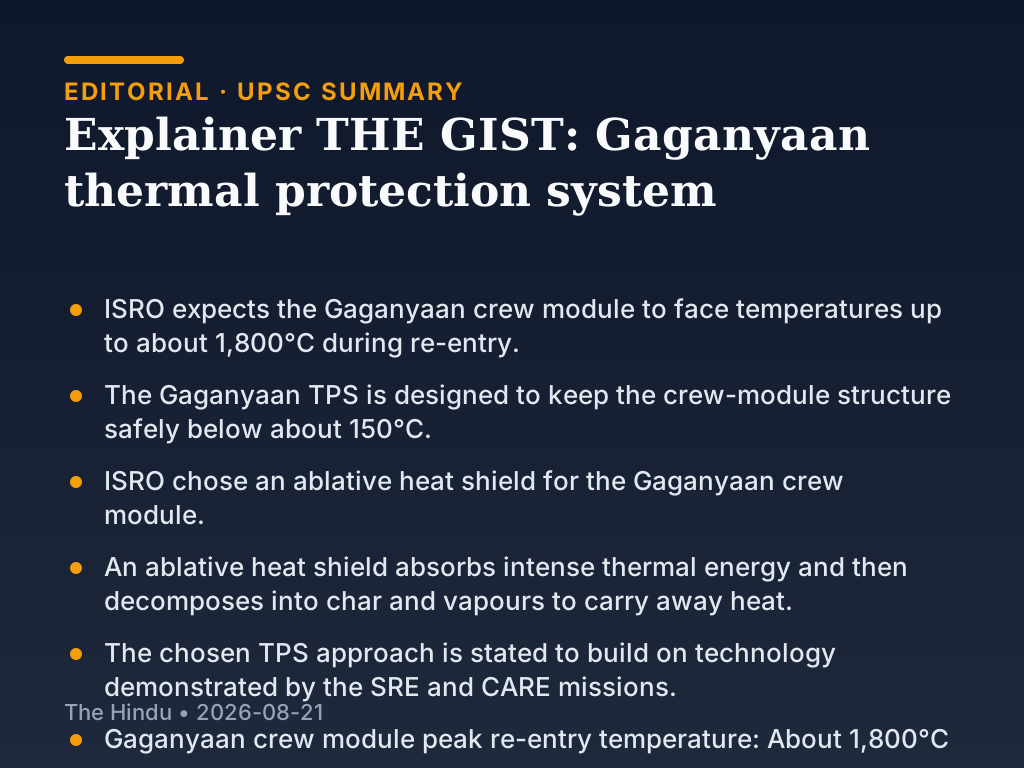
ISRO is preparing the Gaganyaan crew module for atmospheric re-entry using a thermal protection system (TPS) designed around two temperature thresholds. During re-entry, the crew module may face temperatures of about 1,800°C. The TPS aims to keep the structure safely below about 150°C, so heat does not damage or overheat the protected components.
How the chosen TPS works: ablative heat shield for heat absorption and heat removal
ISRO selected an ablative heat shield for the Gaganyaan crew module. An ablative heat shield is a heat-resistant layer that absorbs intense thermal energy during re-entry and then breaks down to reduce heat transfer. The ablative heat shield is described as decomposing into char (carbon-rich residue) and vapours (hot gas products) to carry heat away, thereby reducing the heat reaching the protected structure.
Background and earlier position: heat-shield technology was demonstrated before crew deployment
ISRO’s Gaganyaan TPS selection builds on technology demonstrated through the SRE and CARE missions. The logic is that key heat-shield behaviour under severe thermal exposure is tested in earlier missions, before adoption in a mission involving human crew.
Related current affairs
- THE GIST (for Gaganyaan thermal shield)
- How will Gaganyaan’s thermal shield protect the crew?
- Opposition raises concerns over ‘weakening’ of ISRO; Centre hits back
- Lok Sabha written reply: Progress on Gaganyaan human spaceflight mission and Bharatiya Antariksh Station timeline
- ISRO issues memo to curb exodus of staff from key missions
- How the Gaganyaan crew module is built to survive