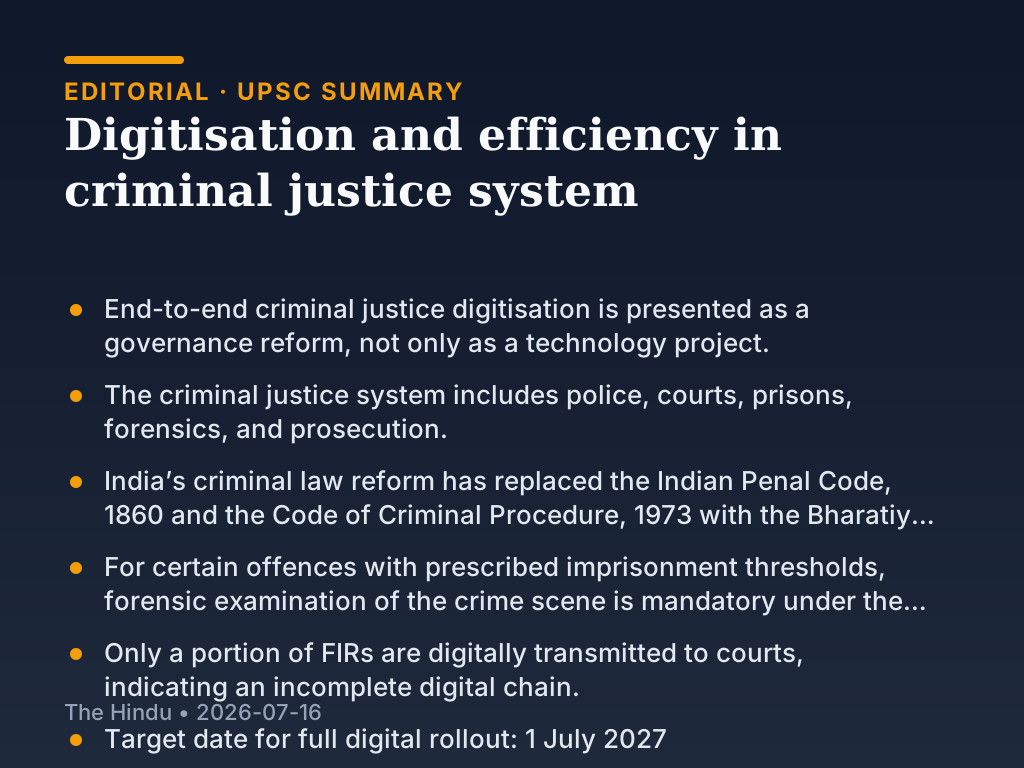
India’s criminal justice system is set for a full digital rollout from 1 July 2027. The proposed shift is significant because it covers the full chain of criminal process: FIR registration, investigation, filing of chargesheets, trial processes, and disposal.
The digital rollout can improve procedural efficiency. The criminal justice structure includes police, courts, prisons, forensics, and prosecution.
Background and earlier position
The reform sits within a broader change in criminal law. The replacement of the Indian Penal Code, 1860 and the Code of Criminal Procedure, 1973 with the Bharatiya Nyaya Sanhita, 2023 and the Bharatiya Nagarik Suraksha Sanhita, 2023 is presented as a shift from punishment-centred thinking to a rights-and-democracy oriented approach.
Indian courts have often filled legislative gaps through guidelines and decisions, which shows the need for periodic reform to keep criminal procedure responsive.
Related current affairs
- The right to protest and the limits of police power
- Implementation of new criminal laws (BNS, BNSS, BSA) and capacity building for e-governance in criminal justice
- NHRC takes suo motu cognizance of reported gang rape of a 16-year-old minor in Greater Noida
- MoD officer’s death: police to seek legal opinion on ‘conflicting statements’ by victim’s family
- HC questions police as probe into attack on Dalit family changes hands six times
- The inside network