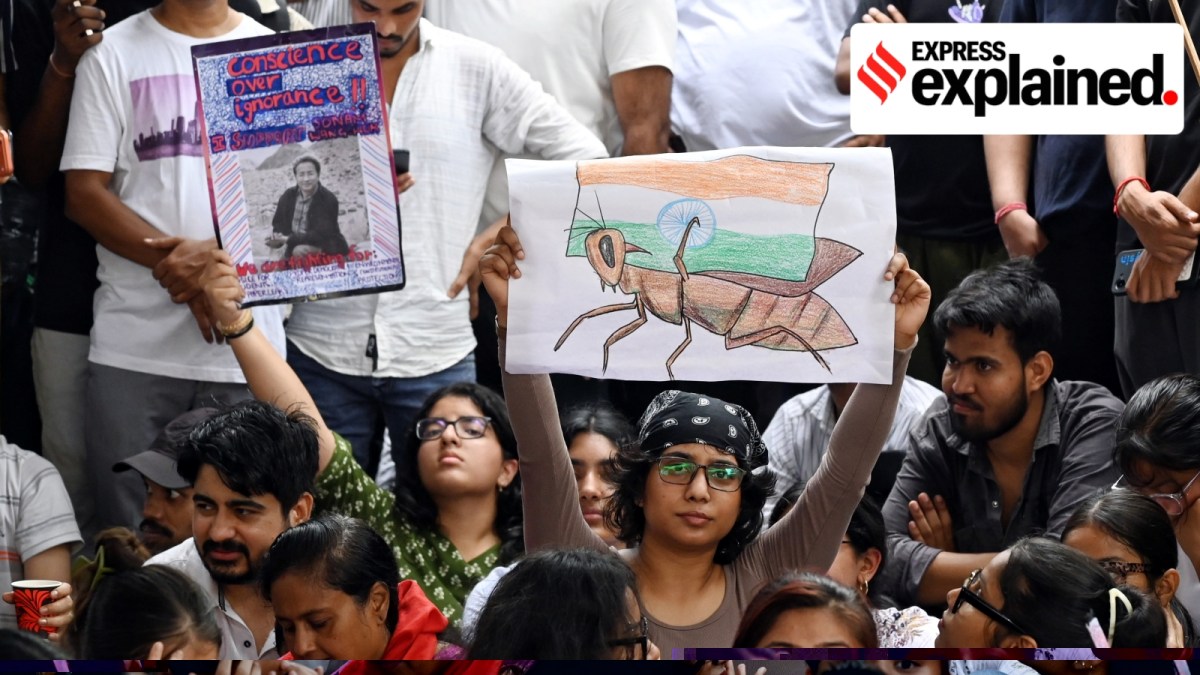
The constitutional right to protest is protected, but it is not unlimited. The legal framework under Article 19(1)(b) protects peaceful assembly without arms, while the State can regulate demonstrations through reasonable restrictions to safeguard public order, sovereignty, and security.
Police permission, venue restrictions, and concerns about public nuisance often determine whether a protest can proceed in a particular form or location. Courts and law enforcement therefore operate in a balancing space, where democratic dissent must coexist with duties related to safety, order, and emergency response.
The key UPSC issue is the tension between civil liberties and state regulation. The constitutional guarantee supports protest as a democratic tool, but the guarantee does not amount to an unrestricted right to occupy public spaces at all times and in all circumstances.
Why the issue matters for UPSC
This topic links directly to Fundamental Rights, the limits of liberty, and the role of the State in maintaining public order. It is relevant for analytical questions on constitutional democracy, rights-based governance, and the balance between dissent and administrative control.
What to remember
Related current affairs
- Protesters’ right to protest is protected, but can be regulated
- Dismantling the protest: What the law says (content block accompanying the main Law explainer)
- Right to peaceful protest: SC
- Editorial-style summary/advisory on protest rights and governance (opinion/analysis block if present)
- Small legal notices on civil liberties and protest rights
- Right to peaceful protest: police excesses can be punished; SC/HC directions (headline-only snippet)