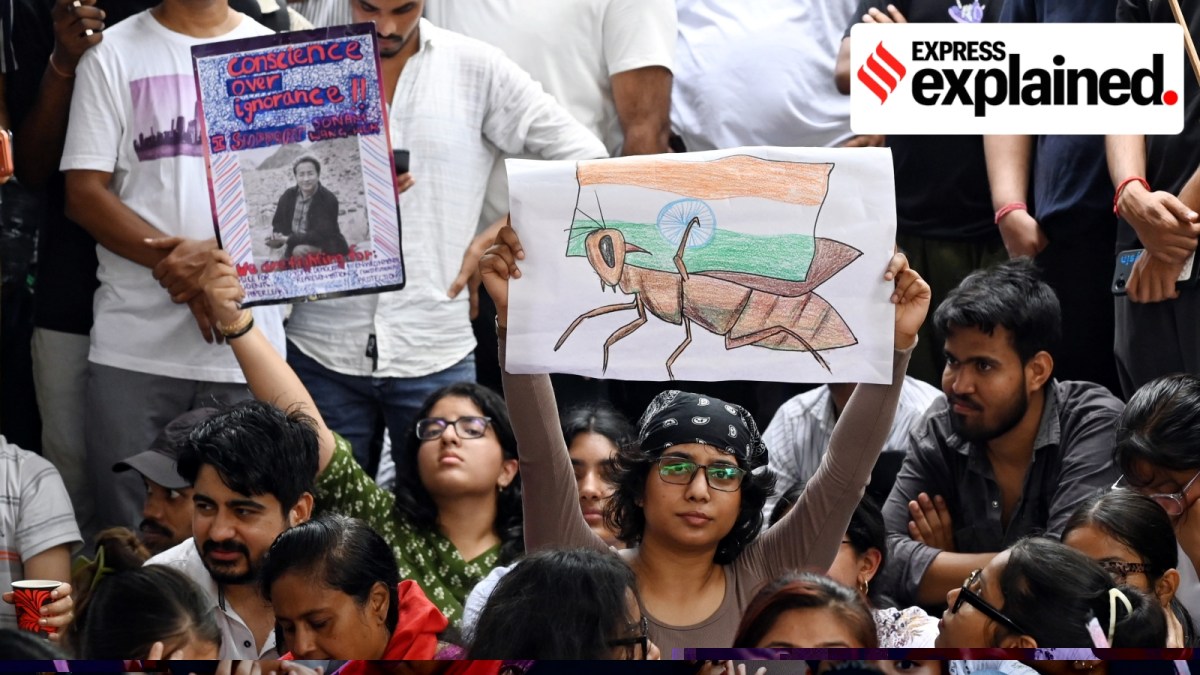
Indian constitutional law allows peaceful demonstrations, but it also permits lawful restrictions when public order is at risk. A legal explainer on protest control is useful because it connects the right to assemble with the standards that police and district authorities must follow before dispersing a crowd.
What happened
The legal note provides a compact explanation of protest control. It focuses on the rationale for restrictions and the conditions under which authorities may lawfully act against demonstrations.
Background and earlier position
India protects peaceful assembly under Article 19(1)(b) of the Constitution. The State may impose reasonable restrictions under Article 19(3) when public order or related constitutional interests require it.
The earlier position is therefore not a blanket ban on protest. The legal position is that the State can regulate assembly, but the regulation must remain lawful, proportionate, and tied to a legitimate public purpose.
Related current affairs
- Staging a protest: Rights, restrictions in the law
- Protesters’ right to protest is protected, but can be regulated
- Editorial-style summary/advisory on protest rights and governance (opinion/analysis block if present)
- Right to peaceful protest: SC
- Small legal notices on civil liberties and protest rights
- The right to protest and the limits of police power