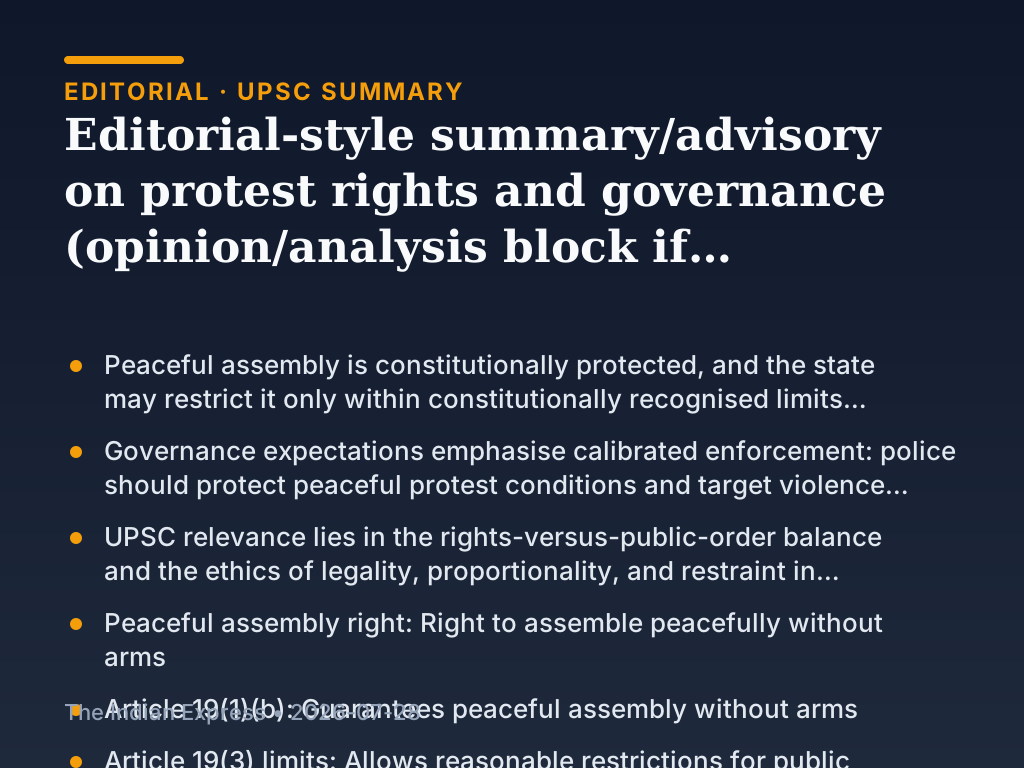
What the governance expectation is
Governance authorities should protect peaceful protest while maintaining law and order. Enforcement should prioritise de-escalation and should target violence and identifiable unlawful disruption rather than broad suppression of dissent.
Background
India’s constitutional framework protects peaceful assembly while also recognising the state’s duty to prevent public disorder and protect safety. A key governance challenge is separating peaceful dissent from actions that create harm or disorder, and then applying police powers within legal limits.
What has shifted
Related current affairs
- Dismantling the protest: What the law says (content block accompanying the main Law explainer)
- ‘Cow vigilantism’/protest policing and police action—SC / constitutional observations (Right to peaceful protest snippet)
- Staging a protest: Rights, restrictions in the law
- Small legal notices on civil liberties and protest rights
- Right to peaceful protest: police excesses can be punished; SC/HC directions (headline-only snippet)
- Protesters’ right to protest is protected, but can be regulated