What happened
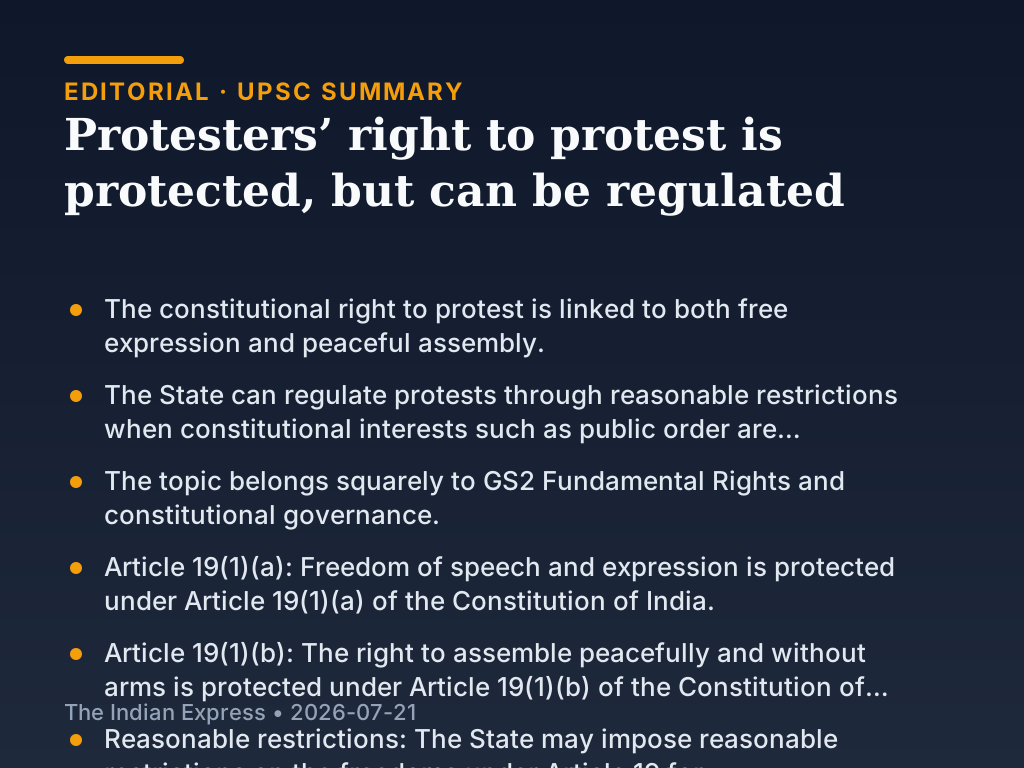
The Indian Express sidebar reiterates a basic constitutional principle: citizens have a protected right to protest under Article 19(1)(a) and Article 19(1)(b). The same constitutional scheme also allows the State to place reasonable restrictions on those freedoms when public order and other constitutional interests require regulation.
The note is useful as a short legal reminder for polity revision. Its value lies in the balance it highlights between democratic dissent and regulatory power, not in any new policy announcement.
Background and earlier position
The Constitution protects freedom of speech and expression under Article 19(1)(a) and the right to assemble peacefully and without arms under Article 19(1)(b). These rights are not absolute, because Article 19 permits reasonable restrictions in the interests of public order and related constitutional concerns.
Why it matters for UPSC
Related current affairs
- Staging a protest: Rights, restrictions in the law
- Dismantling the protest: What the law says (content block accompanying the main Law explainer)
- Small legal notices on civil liberties and protest rights
- Right to peaceful protest: SC
- Editorial-style summary/advisory on protest rights and governance (opinion/analysis block if present)
- The right to protest and the limits of police power