What happened
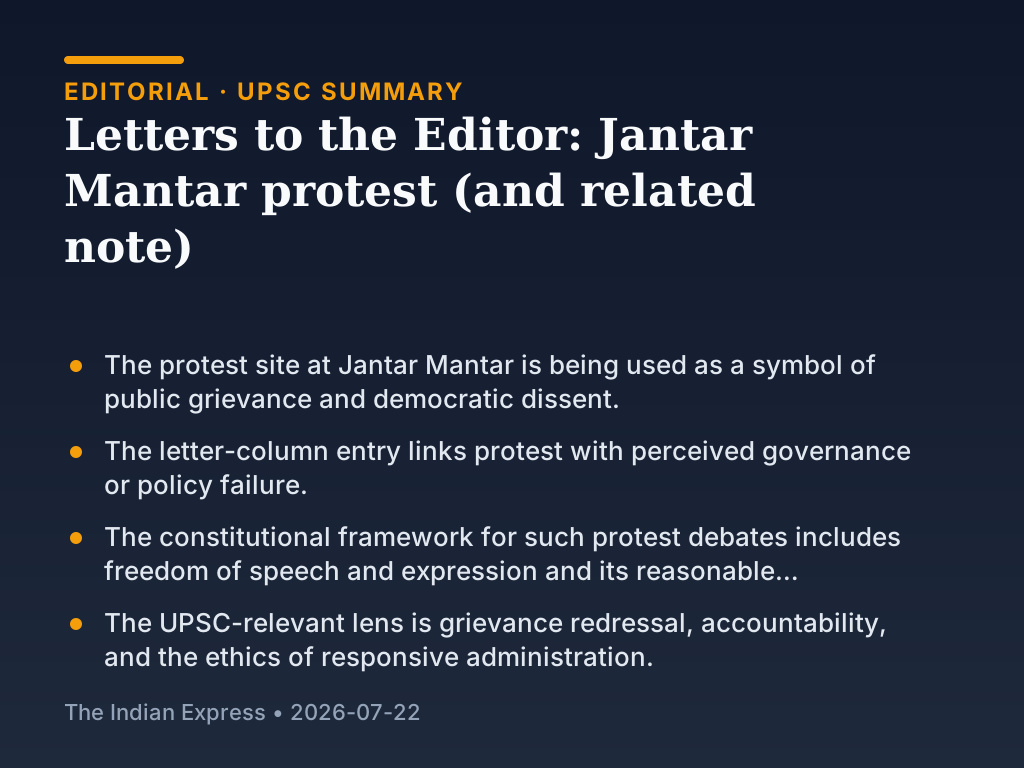
The Indian Express letters column carries criticism connected to a protest at Jantar Mantar. The letter presents the protest as a response to perceived governance or policy failures and urges attention to the demands raised.
For UPSC preparation, the topic matters because protest sites such as Jantar Mantar often become visible markers of public dissatisfaction and institutional responsiveness in a democracy.
Why it matters for UPSC
The issue links directly to GS2 themes of democratic accountability, citizen participation, and grievance redressal. It also has an GS4 angle because responsiveness to dissent is part of ethical public administration.
Background and earlier position
Related current affairs
- Ministers can meet us at Jantar Mantar, says CJP
- At CJI’s resurrected Jantar Mantar stage, the protesters of violence and dissent
- LETTERS TO THE EDITOR: Anguished and condemning harassment after protests
- In Brief: Why should Jantar Mantar be used as protest site, asks HC
- LETTERS TO THE EDITOR: Stop the intimidation
- Stone-laden truck: Cong. flags differing police claims