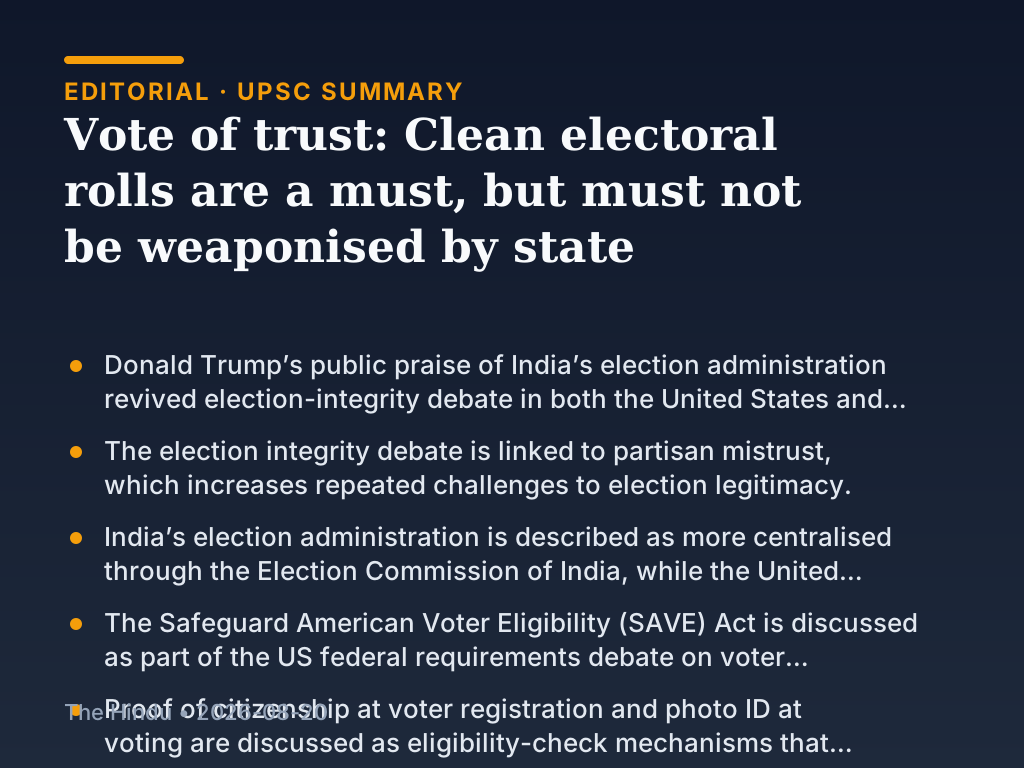
What happened: renewed debate on voter eligibility and electoral integrity in the United States and India
Donald Trump’s public praise of India’s election administration revived a contested debate in the United States and India about election integrity. The debate centres on voter enrolment and voting rules meant to ensure that only legally eligible voters participate in elections. The common ground is fairness and transparency, but political mistrust pushes losing candidates and parties to repeatedly challenge election outcomes.
Background and earlier position: India’s central election administration model vs America’s state-led election framework
India’s election administration is positioned as more centralised, with the Election Commission of India playing a central role. The United States is positioned as more decentralised because election rules vary across states, and Congress can adjust state-related electoral regulations through federal law.
In both countries, voter eligibility for citizens is a legal requirement. However, verification processes have become highly politicised. Political camps in both countries accuse each other of enabling ineligible voting (for example, through alleged enrolment of non-citizens) or of targeting specific groups through electoral administration.
What changed now: discussion of US federal eligibility requirements and concerns about India’s implementation process
Related current affairs
- What did Trump say about India’s voting system? (FAQ)
- Over 1 crore names deleted in Karnataka draft electoral rolls
- Bypolls to five T.N. seats after disposal of pleas, EC tells HC
- ‘The story so far’ teaser boxes for multiple FAQs (OpenAI launch; U.S. transshipment; Trump election comments)
- Cong. alleges bulk voter purge bid in Uttarakhand
- Black money and polls