The article explains how an anticipated weak monsoon—under 94% of normal rainfall for July, following a 40% monsoon deficit in June—could translate into economic stress, especially if a 'super El Niño' develops.
It outlines three main transmission channels: weaker kharif agriculture leading to lower output and reduced agricultural contribution; reduced rural incomes that dampen overall demand; and higher food prices that raise inflation and disrupt growth.
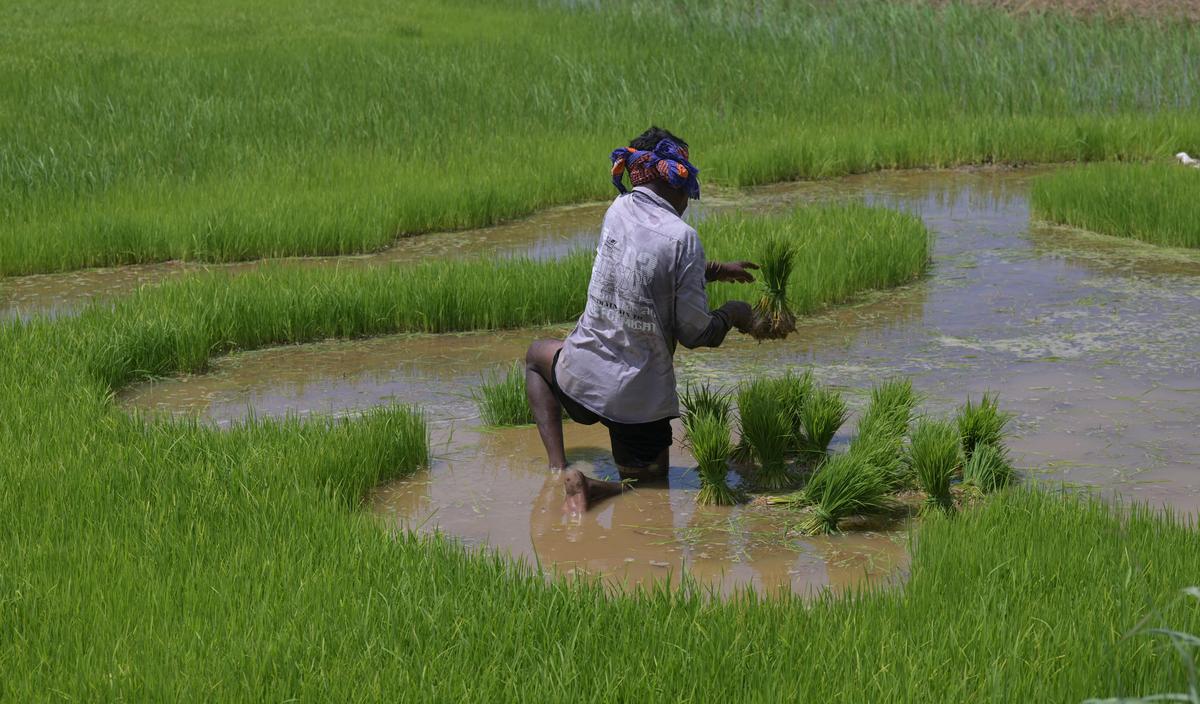
India begins the kharif season with relatively strong foodgrain output in 2024–25, but this advantage could be undermined by rainfall shortfalls.
Likely shifts in crop patterns include expanded paddy acreage in Punjab, Haryana, and Bihar, but declining maize acreage as farmers adjust to more remunerative crops. Factors influencing these choices include irrigation availability and minimum support prices (MSP).
These agricultural adjustments can lead to increased food and beverage inflation.
The RBI suggests adverse south-west monsoon conditions could worsen the growth–inflation outlook. Food inflation is reportedly rising for key items such as edible oils, potatoes, onions, and tomatoes.
Related current affairs
- Agriculture Ministry reviews Kharif sowing progress, monsoon deficit and El Niño impact
- Rural demand may face pressure as El Niño reduces monsoon; rural inflation rising
- Prime Minister’s Office holds a high level review meeting to review possible impact of El Nino on various sectors and preparedness measures
- Indonesian police arrest 72 people suspected of starting forest fires
- India’s Makhana Production, Market Growth, Prices and Consumption (Domestic and Export Dynamics)
- IMD updates: 2026 Southwest Monsoon rainfall below-normal; El Niño impact highlighted in Lok Sabha