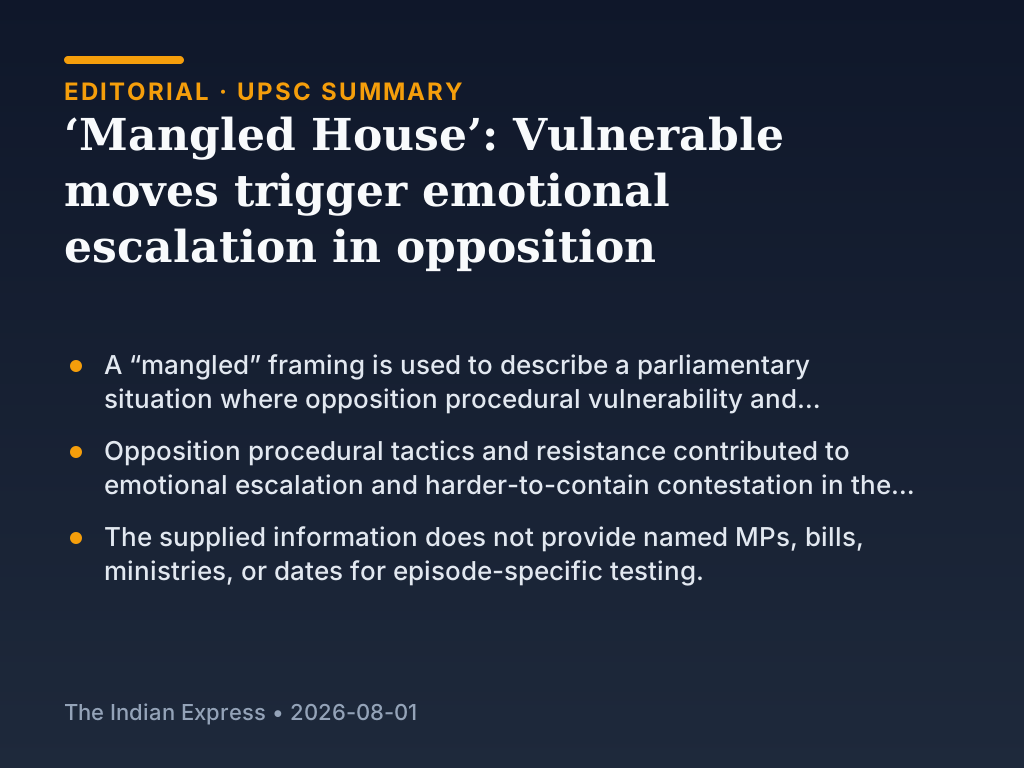
What happened: heightened opposition-driven procedural contestation in the House
Opposition actions during parliamentary proceedings generated sharper friction and emotional escalation around House business. The framing around a “mangled” House highlights a pattern in which opposition procedural strategies meet resistance and quickly increase contestation, making orderly debate and smooth agenda progression harder to maintain.
Background and earlier position: Parliament’s procedure as daily agenda-management
In India’s Parliament, House Rules and parliamentary conventions govern how discussions proceed, how time is allocated, how motions are handled, and how disruptions are controlled. Opposition parties typically use procedural opportunities—such as focusing attention on particular issues and seeking procedural leverage—to increase scrutiny of the executive and influence what the House prioritises.
What changed now: procedural tactics produced a faster escalation cycle
The current episode shows a shift from routine procedural contest to a faster escalation cycle. Opposition vulnerability, paired with procedural manoeuvring, amplified reaction intensity and strained the usual ability of presiding mechanisms and procedural discipline to contain conflict within normal debate norms.
Related current affairs
- Opposition may end House; seek vote on motion; paperwork etc.
- Cong. flags ‘abnormal’ LS prorogation delay (From Page One)
- Congress highlights ‘abnormal’ delay in Lok Sabha prorogation
- On dignity in political discourse
- Monsoon Session sees multiple lows in Parliament productivity
- The cliche of the Monsoon Session comes to an end