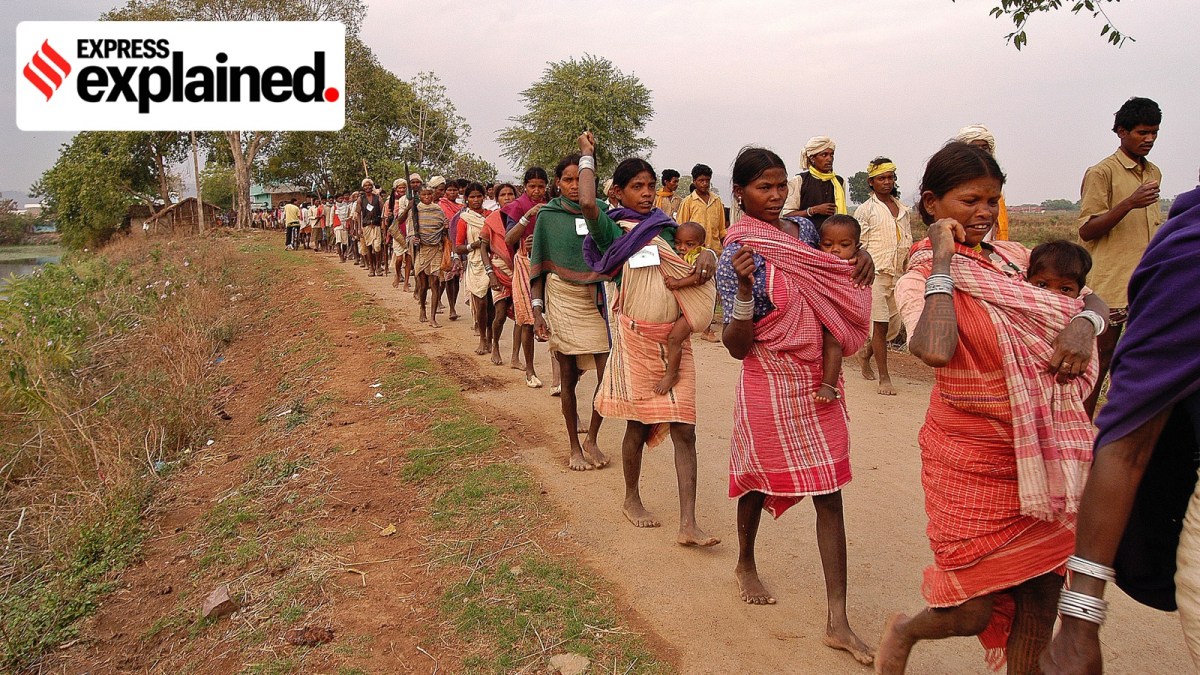
A special report on the Tiruvallur ammonia leak shows how industrial tragedy, distress migration, and weak labour regulation intersect for Odisha’s Juang community, a Particularly Vulnerable Tribal Group (PVTG). The case is important because it is not only about one accident; it points to persistent failures in tribal development, livelihood creation, and migrant worker protection.
The report says 14 migrant workers from Odisha, mostly girls and women from the Juang community, died in a deadly ammonia gas leak at a seafood processing plant in Tiruvallur, Tamil Nadu. Several others were injured and hospitalised. Survivors said the leak occurred outside the residential quarters at night, exposing sleeping workers to toxic fumes.
What happened now
The girls were employed through labour contractors after being promised regular work and advances. The Odisha Labour Department later filed complaints with police stations across Keonjhar district and sought investigation into labour agents, alleged misuse of identities, and cases where minors were hired using adult women’s documents. Some migrant workers were returned safely, but the report indicates that FIRs reflected the use of such documents.
Background: why Juang families migrate
The Juangs live largely in hill districts of Odisha, where livelihoods depend on shifting cultivation and forest produce. The report describes migration as a “no other option” decision: families have few earners, subsidised food under the public distribution system is not enough, and households need cash for basic housing and survival.
Related current affairs
- Odisha govt. officers to pay fine for delay in providing public services
- No change in Tamil Nadu’s stand on delimitation, says Minister
- Amit Shah to chair Southern Zonal Council in T.N. today
- STATE OF PLAY: T.N.’s trouble in the hills; SC has pulled up the State over ‘encroachers’ in Agasthyamalai
- Inter-caste marriage incentive support helps couple build stable life in Odisha
- In Brief: Kerala stalling work at Mullaperiyar (obstructionist attitude)