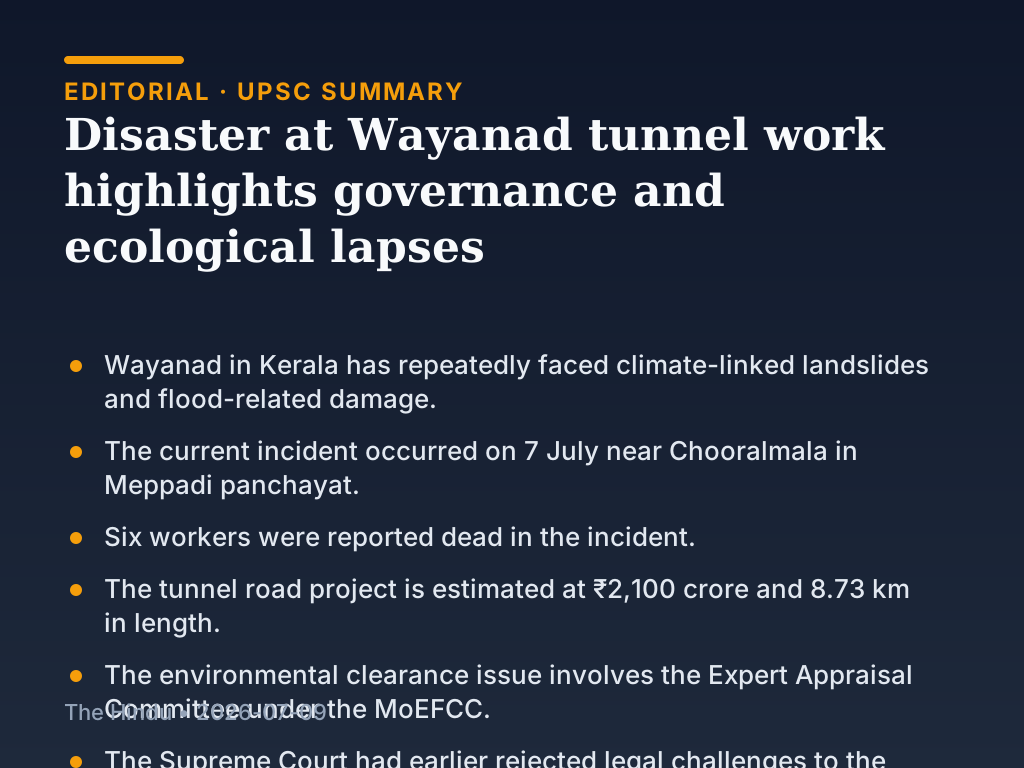
A heavy downpour on 7 July triggered a debris slide-like incident at the entrance of an under-construction twin tunnel road near Chooralmala in Wayanad’s Meppadi panchayat. The incident occurred close to the site devastated by major landslides two years earlier and left six workers dead.
The case matters beyond a construction accident. It raises questions on whether infrastructure can be pushed through a landslide-prone hill ecosystem without matching engineering, ecological, and disaster-management safeguards to local conditions.
What happened
The Kerala government has suspended construction and ordered a comprehensive investigation. The probe will examine two issues: the immediate cause of the failure and whether the project complied with the conditions of environmental clearance granted by the Expert Appraisal Committee under the Ministry of Environment, Forest and Climate Change (MoEFCC).
Background and earlier position
Wayanad has seen repeated climate-linked catastrophes, especially since the 2018 floods. The editorial notes that the region has experienced multiple landslide events in recent years, which makes it a vulnerable terrain for large road and tunnelling works.
Related current affairs
- Kerala’s Wayanad disaster shows more than “weather”: it is also a failure of planning, compliance and disaster management
- Death toll reaches 8 in Wayanad debris slip; body of missing project manager recovered; company ordered to clear debris
- Kerala to put in place disaster resilience system: Satheesan
- Hindutva ideologue T.G. Mohandas: ‘shoot protesters’ jab triggers row
- Supreme Court-appointed Aravali panel’s consultation process excludes rural people, say environmentalists
- Supreme Court constitutes High-Powered Committee to examine Aravalli Hills and invite stakeholder inputs