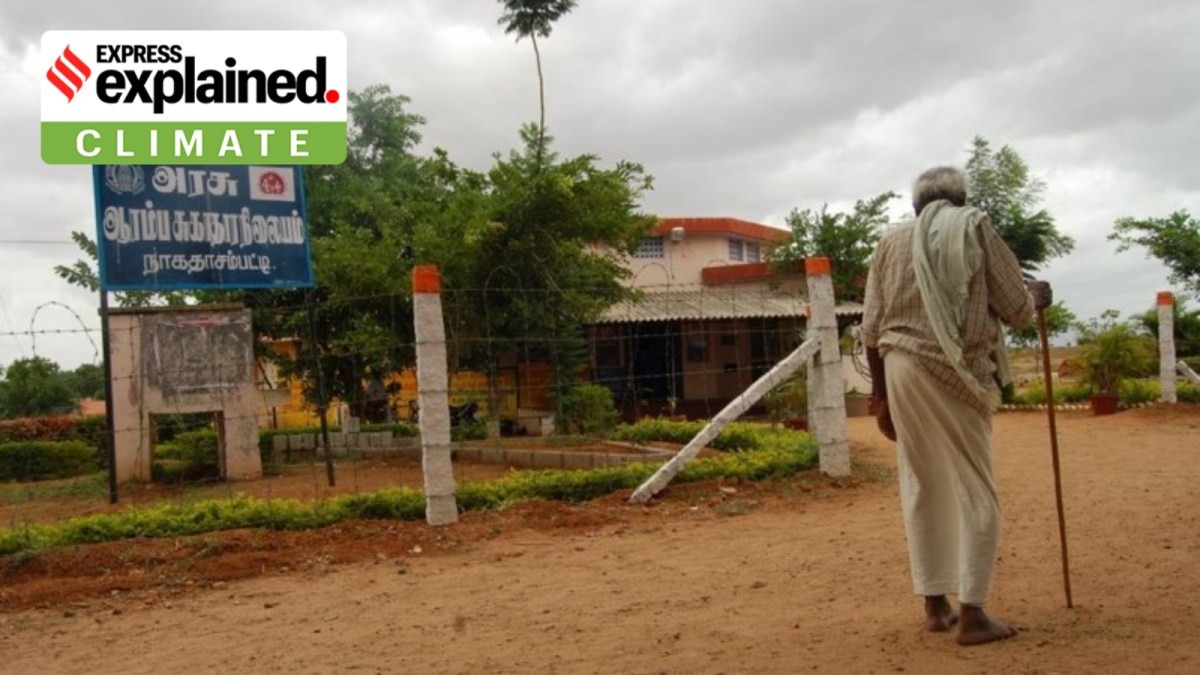
What happened
Older adults face climate stressors more severely than the general population, and climate policy still does not fully account for ageing, disability, loneliness, and care dependence.
The reporting draws on a HelpAge India study to show how rising temperatures, erratic rainfall, drought, flooding, coastal erosion, water scarcity, poor ventilation, indoor heat stress, dampness, and wider environmental degradation can worsen chronic illness, reduce mobility, raise mortality risk, and increase care needs among older persons.
Why older adults are at higher risk
The study treats vulnerability as intersectional. Risk rises when advanced age combines with poverty, widowhood, living alone, impairment, financial dependence, weak institutional support, insecure housing, and residence in hazard-prone areas.
Climate events can trigger heat stress, respiratory illness, disturbed sleep, mental distress, restricted movement, and interruptions in medicines and healthcare access. Migration and changing social norms can also increase isolation and weaken everyday support systems.
Related current affairs
- People losing sleep in big cities due to high night-time temperatures: Study
- Arctic ‘jungles’ offer critical insights into climate studies
- ‘No new H1N1 strain in India, existing vaccines sufficient’
- Nadda reviews preparedness, calls for robust surveillance as H1N1 cases rise in Delhi
- Trial by fire: West Bengal should rebuild its crumbling, hazardous infrastructure
- Faith healing poses challenge to authorities as diseases kill 7 tribal children in Madhya Pradesh