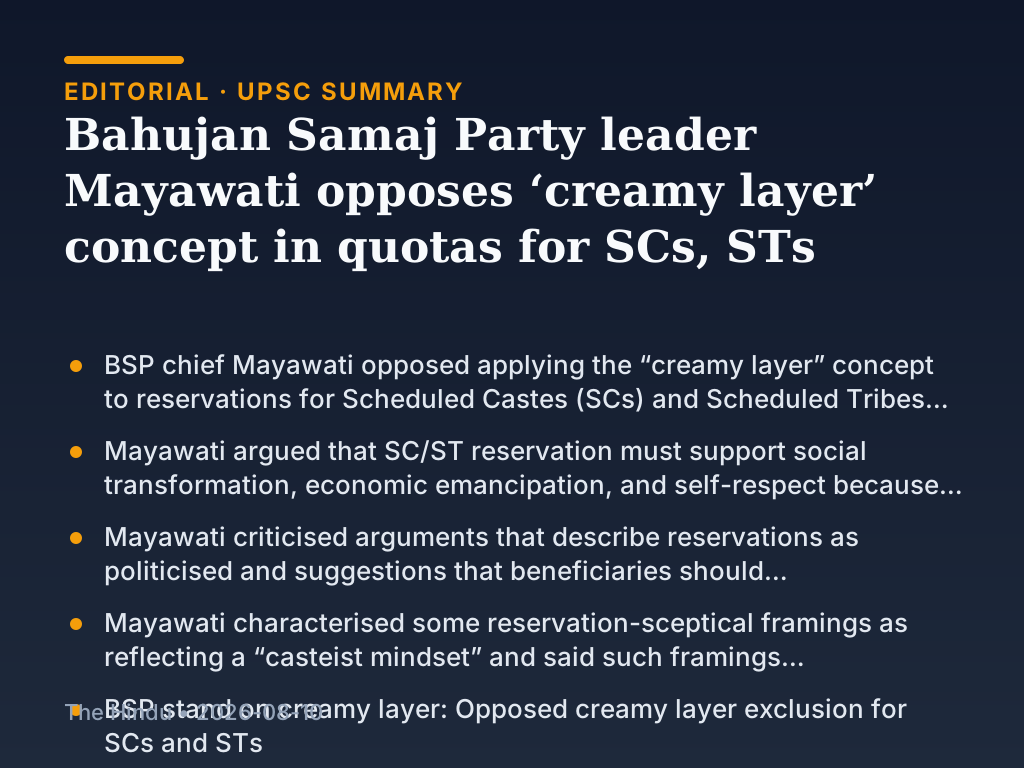
What happened: Mayawati opposed “creamy layer” for SC/ST reservations
Bahujan Samaj Party (BSP) chief Mayawati opposed applying the “creamy layer” concept to reservations for Scheduled Castes (SCs) and Scheduled Tribes (STs). Mayawati argued that reservation for SCs and STs must support social transformation, economic emancipation, and self-respect because caste-based exploitation and atrocities still persist.
Mayawati also criticised claims that reservations are politicised. She criticised the suggestion that reservation beneficiaries should voluntarily give up reservation benefits. Mayawati described such framing as a “casteist mindset” and argued that it contradicts constitutional objectives, because reservation is meant to secure equality for long-oppressed communities on constitutional and humanitarian grounds.
Background: reservations and the “creamy layer” idea in reservation debates
In reservation debates, “creamy layer” commonly refers to relatively better-off persons within an otherwise eligible group. The policy idea is to exclude the better-off from certain reservation benefits so that reservations remain focused on the more disadvantaged sections within that group.
Mayawati’s argument treats SC/ST reservation as different in purpose from intra-group targeting. She links SC/ST reservation to continuing caste oppression and atrocities, so she opposes shifting the focus to intra-group economic status using the “creamy layer” logic.
Related current affairs
- Mayawati opposes ‘creamy layer’ in quotas for SCs, STs
- Quotafor SC/ST: Mayawati Bhimmark remark reflects RSS’s ‘casteist mindset’
- Legal case background: ‘creamy layer’ debate recap
- Protesters gather at Jantar Mantar for overhaul of reservation system
- Pune tribal students’ hunger stir enters 9th day; two hospitalised
- DFS organises workshop to strengthen implementation of reservation policy across public financial institutions