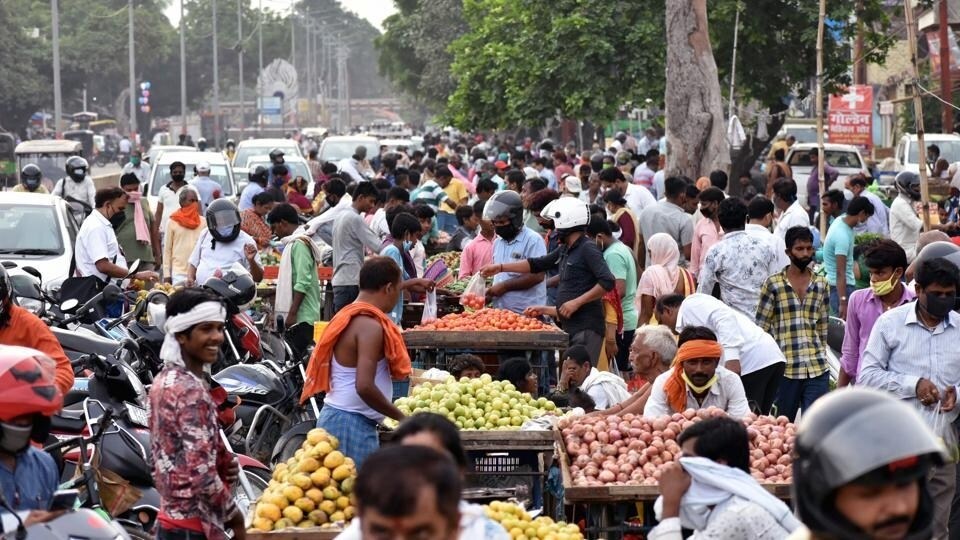
The Ministry of Housing and Urban Affairs reported implementation updates and impact assessment findings for the PM SVANidhi scheme for street vendors. The government’s focus combines expanded geographic coverage with credit delivery and digital onboarding, and it cites two impact assessment rounds conducted by the Indian School of Business (ISB), Hyderabad in 2023 and 2025.
What happened: implementation expansion and reported impact
ISB, Hyderabad conducted impact assessment studies for PM SVANidhi in 2023 and 2025. The 2023 study covered 100 Urban Local Bodies (ULBs) across India with more than 5,000 beneficiaries and reported that PM SVANidhi was the first bank loan for 95% of beneficiaries and that borrowers used the loan to expand their businesses. The 2025 study covered 99 ULBs across India with more than 5,000 beneficiaries (with around 60% of respondents overlapping with the 2023 study sample) and reported that average annualized business income among SVANidhi borrowers grew by around 20% between 2023 and 2025. The government also reported that around 30% of borrowers across all cycles held loans other than PM SVANidhi loans, indicating credit-history building for vendors who previously had little or no access to formal credit.
The Ministry of Housing and Urban Affairs further reported that between 2023 and 2025, adoption of digital payments among street vendors rose significantly in the ISB study. The government also stated that PM SVANidhi’s reported impact extended beyond business recovery and included improved living conditions, strengthened food security, better access to health-care, and support for children’s education, through easing credit constraints and stabilizing household cash flows.
Background and earlier position: eligibility linked to urban space and legal identification
PM SVANidhi was initially implemented in statutory urban areas. Eligibility was extended to street vendors from surrounding peri-urban areas who vend within the geographical limits of Urban Local Bodies (ULBs). Identification of street vendors is carried out by States/Union Territories through surveys conducted under the provisions of the Street Vendors (Protection of Livelihood and Regulation of Street Vending) Act, 2014. Urban Local Bodies and State/Union Territory governments are responsible for conducting surveys, issuing Certificates of Vending, and related vendor onboarding.
Related current affairs
- PM SVANidhi scheme impacts: credit access, digital payments and socio-economic linkages
- PM SVANidhi: progress on loans to street vendors and SVANidhi se Samriddhi component
- India Post Payments Bank marks 9th Foundation Day; launches DakPay Sound Box for merchants and new digital platforms (Digital Insurance Technology Platform, Digital Mutual Fund Platform)
- UPI’s dramatic growth, and its next challenge
- UPI and the cost of policy reversal
- Union Minister Annpurna Devi hails 12 years of Pradhan Mantri Jan-Dhan Yojana