Draft Telecommunications (Television, Radio and Associated Services) Rules, 2026 released to consolidate and simplify TV/Radio regulation
Draft Telecommunications (Television, Radio and Associated Services) Rules, 2026 seek to merge multiple television and radio licensing guidelines into one authorisation framework under the Telecommunications Act, 2023.
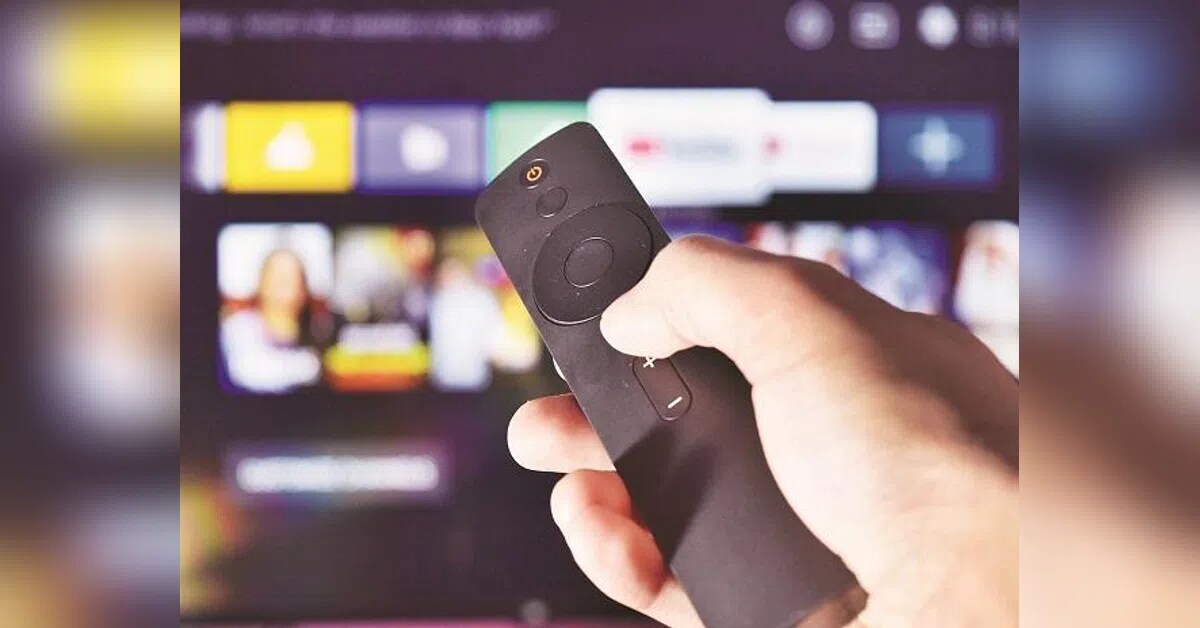
- The draft rules propose a unified authorisation framework for television and radio services.
- Existing licences or permissions can continue until migration to the new framework.
- The Ministry of Information and Broadcasting has invited comments, inputs, or suggestions on the draft rules.
The Ministry of Information and Broadcasting has released the draft Telecommunications (Television, Radio and Associated Services) Rules, 2026 to bring television and radio services under a unified regulatory framework. The draft matters because it replaces a cluster of separate guidelines with one rulebook under the Telecommunications Act, 2023, which can reduce overlap and make licensing simpler for broadcasters.
What the draft rules seek to consolidate
The draft rules integrate existing policy and service-specific guidelines for satellite television, direct-to-home broadcasting, headend-in-the-sky broadcasting, private FM radio, community radio, and Internet Protocol Television (IPTV). The Ministry of Information and Broadcasting says the integrated framework is intended to harmonise the existing regime and support ease of doing business in the television and radio broadcasting sector.
UPSC can frame questions on how the Telecommunications Act, 2023 enables consolidation of scattered broadcasting guidelines into a single authorisation framework, the policy logic of regulatory simplification, and the balance between sectoral ease of doing business and continuity of existing licences.
Related dispatches