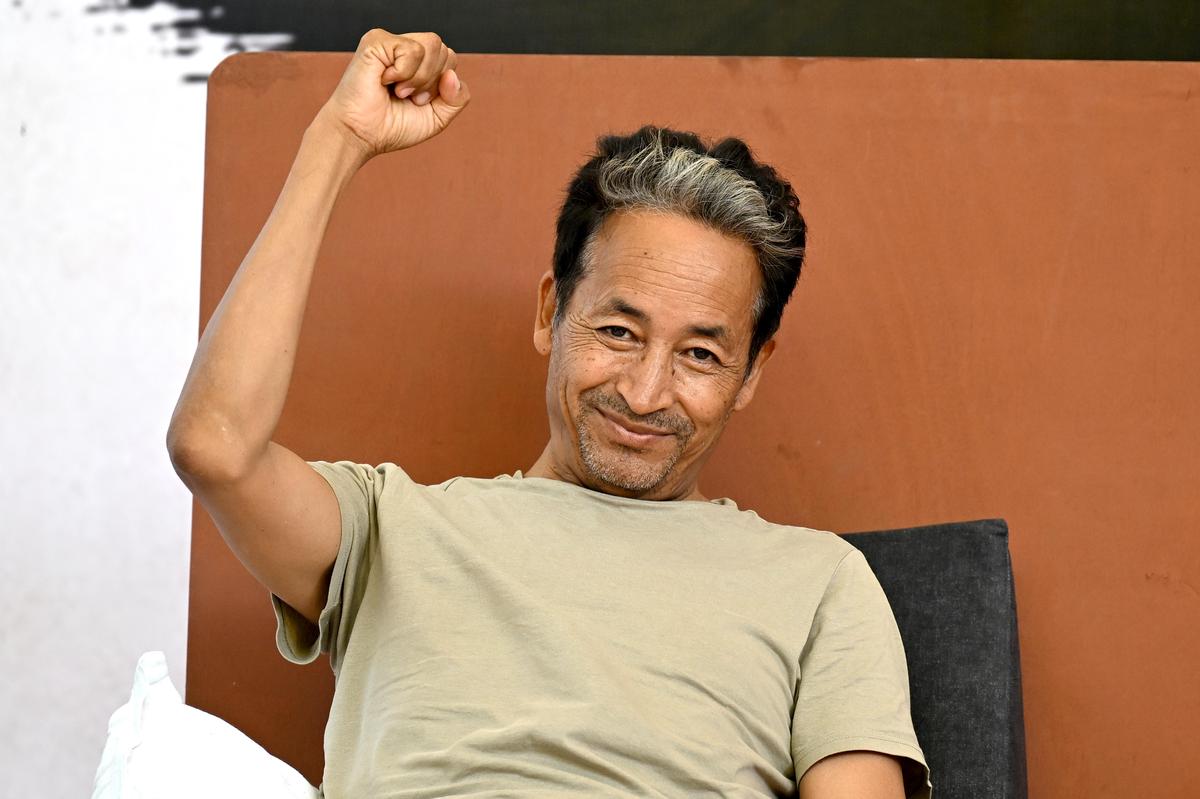
The Supreme Court has repeatedly treated an indefinite hunger strike as a protected form of protest, but it has also said that the State has a duty to preserve the life of the person on fast when health is at risk. The current debate is linked to activist Sonam Wangchuk’s fast at Jantar Mantar and to the broader question of how the State should respond to protest without treating dissent as a security problem.
What happened now
The current discussion refers to judicial concern over Sonam Wangchuk’s continuing fast at Jantar Mantar and to the view that the government response has been quiet despite the Court’s emphasis that every citizen’s life is precious. The legal issue is not whether protest can be stopped simply because it is inconvenient, but whether the State can remain passive when a fast creates a real risk to life.
Earlier Supreme Court position
In 2024 proceedings involving Punjab farmer leader Jagjit Singh Dallewal, a bench led by Justice Surya Kant stressed that authorities must consider the protester’s age, medical condition, and status, and must provide immediate and adequate medical assistance. The Court’s approach allowed the State to safeguard life without forcing the protester to end the fast unless intervention became imperative to prevent death.
The current note also recalls the Ramlila Maidan incident, where the Supreme Court narrated that the then Union government attempted to dissuade Baba Ramdev from undertaking a hunger strike through persuasion and assurances rather than coercion.
Related current affairs
- The right to protest and the limits of police power
- Protesters’ right to protest is protected, but can be regulated
- Dismantling the protest: What the law says (content block accompanying the main Law explainer)
- MP moves SC over mass surveillance at protest
- Sonam Wangchuk to be discharged from hospital today; will visit Rajghat
- How should cities reclaim footpaths?