What happened: N. Ram’s lecture linking “basic structure” to executive pressure
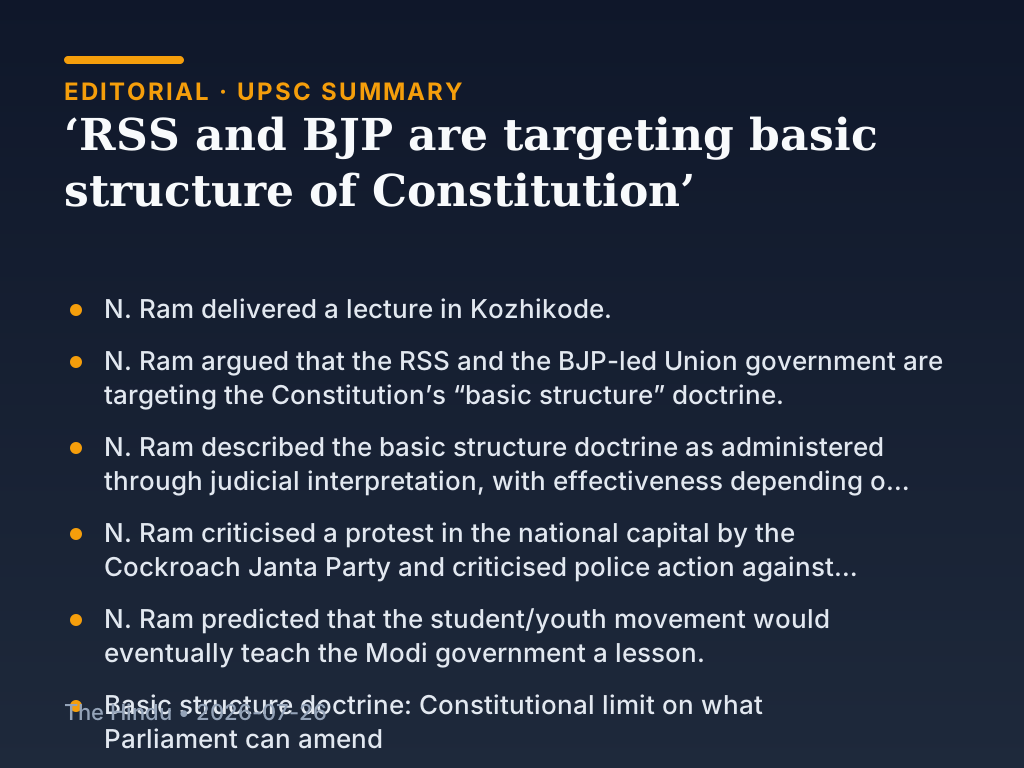
N. Ram, Director of The Hindu Group Publishing Private Limited, delivered a lecture in Kozhikode. He argued that the Rashtriya Swayamsevak Sangh (RSS) and the BJP-led Union government are targeting the Constitution’s “basic structure” doctrine. He connected this claim to the idea that judicial interpretation administers the basic structure doctrine rather than treating it as a fixed textual code.
In N. Ram’s argument, the basic structure doctrine’s real-world operation depends on the character, independence, and capability of the judiciary to resist executive pressure. N. Ram specifically described the relevant pressure as associated with Hindutva authoritarianism (a claim about political-ideological pressure affecting governance and institutions).
N. Ram also linked the doctrine’s perceived openness and vulnerability to targeting by RSS and allied political forces. He suggested that such targeting aligns with a political goal of dismantling constitutional constraints (a claim about motives and outcomes).
Background and earlier position: basic structure as an interpretive constraint
N. Ram’s lecture presented “basic structure” as a constitutional constraint that is shaped through judicial interpretation. In his framing, the basic structure doctrine is not only a settled textual rule; it is administered through court reasoning, which makes it sensitive to institutional independence.
Related current affairs
- Bills on simultaneous elections unconstitutional: Cong. leader Chidambaram tells JPC proposed legislation violates Constitution’s Basic Structure; think tanks point to infirmities; while some Padma awardees support move, others say it can lead to chaos
- Promise of gender equality must be upheld
- Despite ruling, Trump signs orders to curtail birthright citizenship
- Terror suspect plans violence at Delhi protest; STF cites Pakistani links
- Protest to politics (letter/column fragment)
- How BJP, RSS are framing the protest and its aftermath