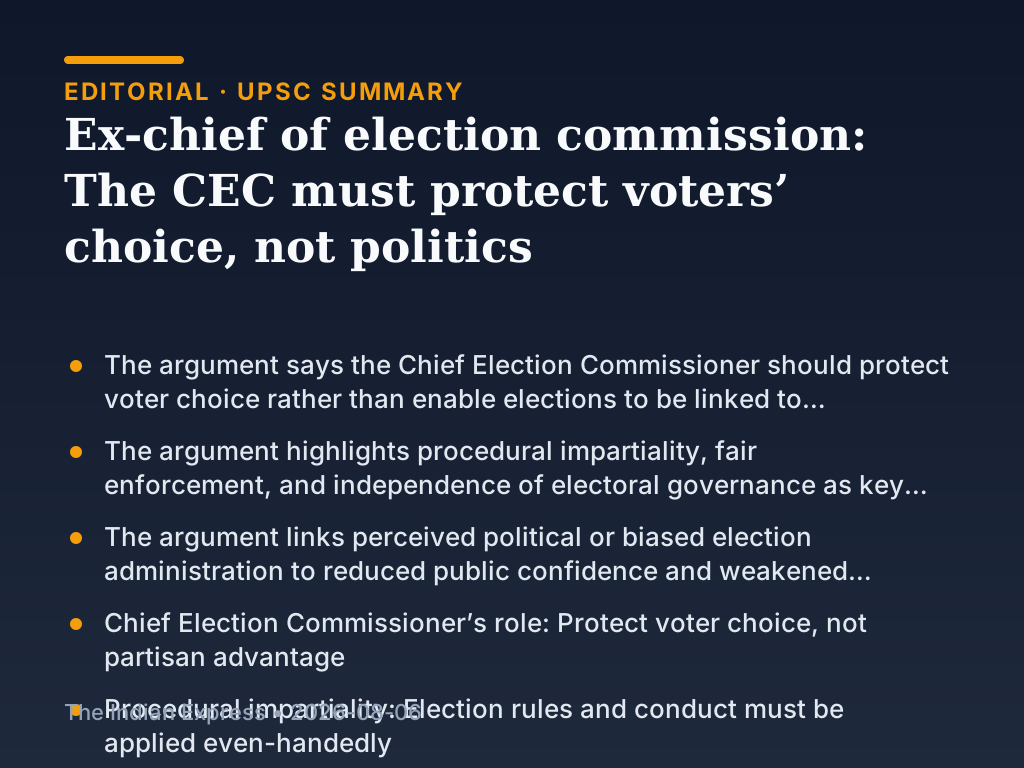
What the argument says (core claim)
The argument urges the Chief Election Commissioner (CEC) to protect voter choice rather than allow election administration to be driven by partisan politics. The argument links perceived political bias in election governance to lower public confidence and weaker democratic legitimacy. For UPSC, the issue combines election-governance safeguards with ethics of impartiality and fair enforcement.
Background and earlier position (what impartial election governance means)
Procedural impartiality in election administration means that electoral processes are run using clear rules applied evenly across parties, candidates, and competitors. Fair enforcement means that rule violations and compliance failures are handled through consistent standards rather than selective treatment. Independence of electoral governance means election administration decisions should not be steered by day-to-day political incentives.
What the argument emphasises now (shift in emphasis)
The argument places voter-choice protection at the centre of the CEC’s election-administration focus. It also stresses that strengthened safeguards and conduct standards are needed because public perception of bias can undermine confidence in elections.
Related current affairs
- EC’s real test: Winning the vote of the people
- Cong. alleges bulk voter purge bid in Uttarakhand
- Over 1 crore names deleted in Karnataka draft electoral rolls
- Bypolls to five T.N. seats after disposal of pleas, EC tells HC
- Black money and polls
- Vote of trust: Clean electoral rolls are a must, but must not be weaponised by state