India’s external sector faced fresh pressure in June 2026 as the trade deficit widened to $15.3 billion, more than four times the level implied by the year-on-year comparison in the release. The expansion was driven mainly by a jump in merchandise imports, while retail inflation also rose to 4.4%, above the Reserve Bank of India target of 4%.
What happened
According to the reported official data, overall exports of goods and services rose 9.5% year-on-year to $73.4 billion in June 2026, while total imports increased nearly 27% to $88.8 billion. Merchandise imports grew faster, rising 31% to $70.8 billion, while merchandise exports rose about 15.5% to $40.4 billion.
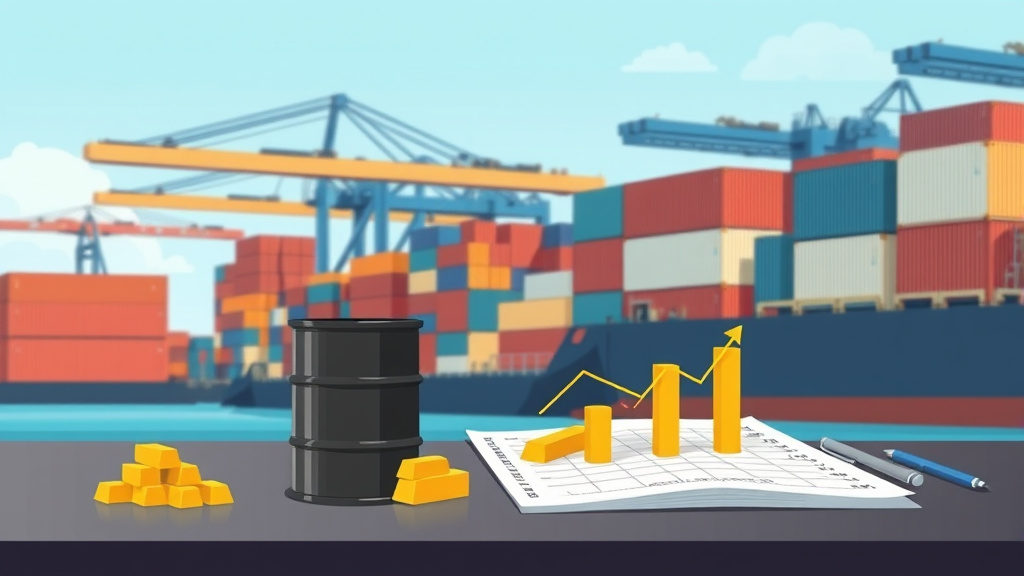
The resulting merchandise trade deficit stood at $30.4 billion, about 59% higher than in June 2025. The Commerce Secretary attributed the import rise mainly to a few commodity groups: petroleum products and crude oil, gold, and electronic/electrical goods.
What changed in the trade balance
The services segment partly cushioned the external account but did not offset the rise in merchandise imports. Services exports rose 2.9% to $33 billion, services imports rose 12.7% to $17.9 billion, and the services trade surplus narrowed by 6.8% to $15.1 billion.
Related current affairs
- Retail inflation hits 19-month high of 4.45% in July
- MoSPI puts in place mechanisms for timely collection and publication of official statistics
- Hormuz crisis: crude imports surge 60%; net oil, gas imports up 45%
- MoSPI: Framework and monitoring of key economic and SDG indices and surveys
- Breaching the target
- Export weaknesses are becoming episodic; strengths are structural