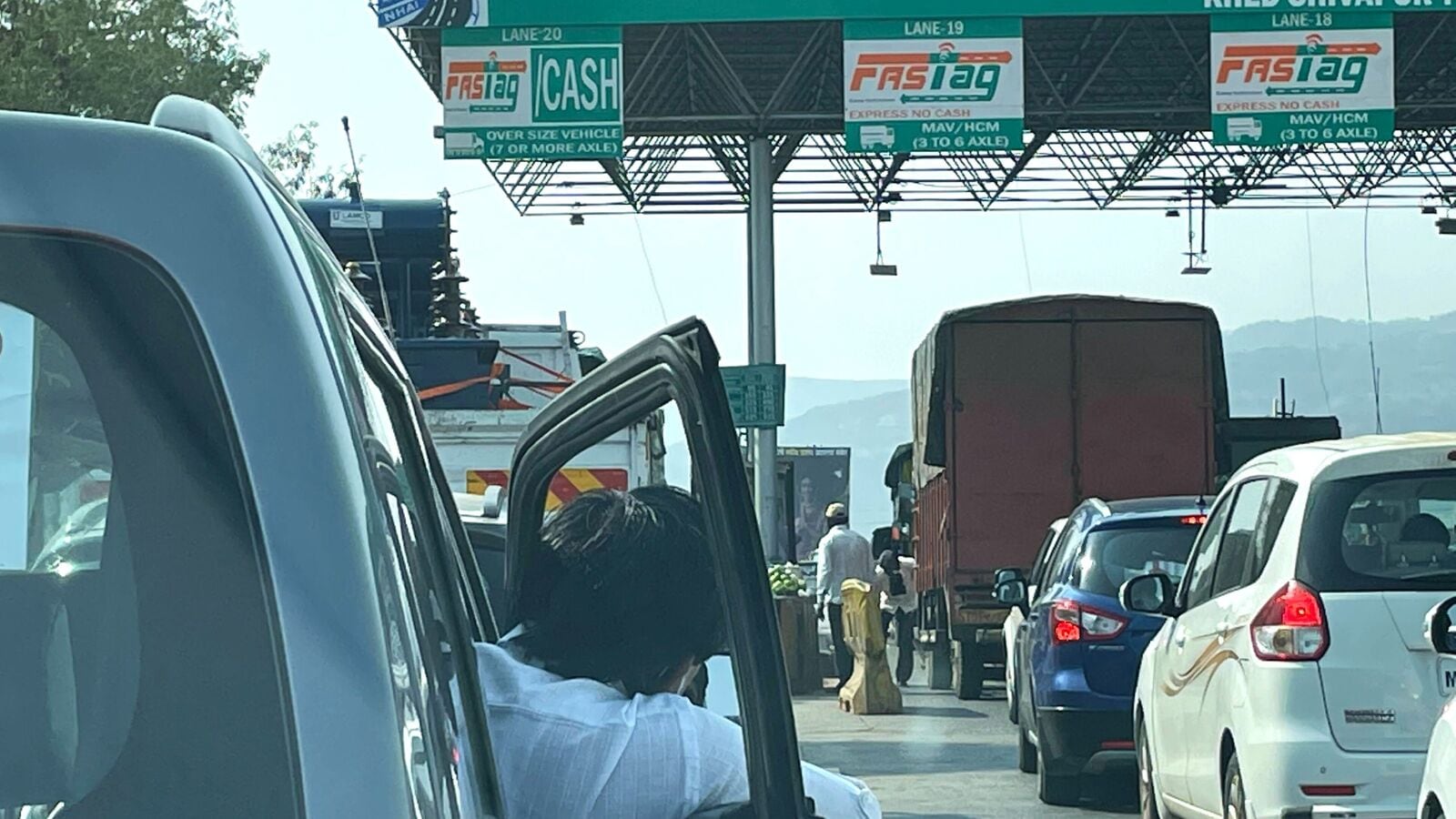
The Ministry of Road Transport and Highways has expanded FASTag-based toll collection on National Highways through a FASTag-based Annual Pass for non-commercial cars, jeeps, and vans, and through Multi-Lane Free Flow (MLFF) barrier-less tolling. The policy matters for UPSC because it combines transport infrastructure, digital payment systems, grievance redressal, and the governance questions linked to privacy, interoperability, and enforcement.
What happened
The Ministry of Road Transport and Highways stated that the FASTag-based Annual Pass came into effect from 15 August 2025. The pass is meant for non-commercial cars, jeeps, and vans and can be activated on payment of ₹3,075 for the year 2026-27. It allows travel through all National Highway and National Expressway fee plazas for one year or up to 200 fee plaza crossings, whichever comes earlier.
The Ministry also said that, as of June 2026, more than 77 lakh Annual Passes had been issued and they accounted for 63 crore transactions on National Highway fee plazas. According to the Ministry, around 33% of total electronic toll collection transactions by car, jeep, and van are Annual Pass transactions.
Background and earlier position
India has already moved most toll payments to FASTag, which uses radio-frequency identification for electronic toll collection. The Ministry said that more than 98% of user fee collection now takes place through FASTag under the National Electronic Toll Collection (NETC) programme.
Related current affairs
- NHAI extends Digital FASTag “Local Pass” facility to 121 toll plazas
- NHAI extends 'Clean Toilet Picture Challenge' till 30 June 2027
- NHAI amends AE/IE consultancy RFPs to mandate minimum remuneration and revise Site Engineer engagement
- NHAI to empanel IITs and technical institutions for independent proof checking of major bridge designs
- NHAI launches digital ‘local pass’ for residents in 2-km radius of toll plazas
- NHAI introduces Digital Local Pass and MargMitra Help Centre on RajmargYatra app