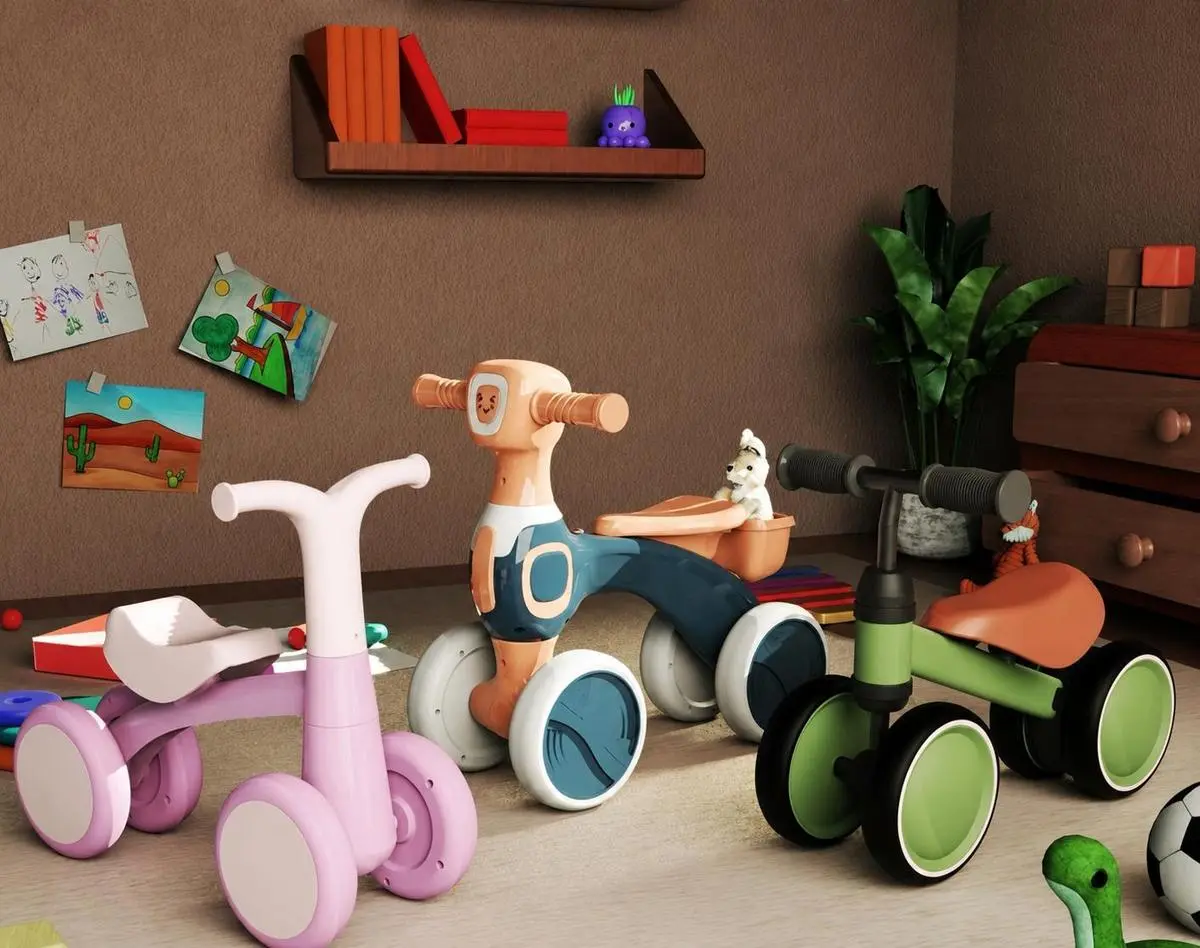
What happened: task force for toys and “Toy Sector Playbook” launched
The Union Minister of Commerce and Industry, Shri Piyush Goyal, announced the setting up of a task force to support India’s toy sector and identify interventions for reaching a goal of 5% share in the global toy market by 2032. The announcement was made at the stakeholder meet “Team Up for Toys: Driving SCALE, Innovation and Exports”, organised by the Department for Promotion of Industry and Internal Trade (DPIIT) at Vanijya Bhawan, New Delhi.
Alongside the task force announcement, the “Toy Sector Playbook” was launched. The government described the playbook as a roadmap with actionable guidance for manufacturers, startups, MSMEs (Micro, Small and Medium Enterprises), investors, and entrepreneurs. The playbook covers manufacturing ecosystems, value chains, standards and compliance requirements, skills development, product innovation, intellectual property, exports, and emerging market opportunities.
The government also tied the event to scale and export orientation by asking stakeholders to focus on innovation, design excellence, sustainability, scale, and exports to build globally recognised Indian toy brands and establish India as a hub for toy design, manufacturing, and exports.
Six objectives of the toy sector task force
The task force is set to work toward the following six objectives:
Related current affairs
- Government initiatives to improve toy quality and boost India’s toy industry; exports up 89.1%
- NABL launches India’s first accreditation scheme for mobile food testing laboratories
- DPIIT signs MoU with Council for Startup India (CSI) to improve investment readiness and global scaling
- DPIIT signs MoU with Cars24 to support mobility, auto-tech and AI innovation and skilling
- DPIIT partners with Vultr India to enhance cloud infrastructure access for DPIIT-recognised startups
- DPIIT signs MoU with Darwin Dynamics to expand Startup India reach and deep-tech/clean energy innovation